Mississippi Turkey Population Trends
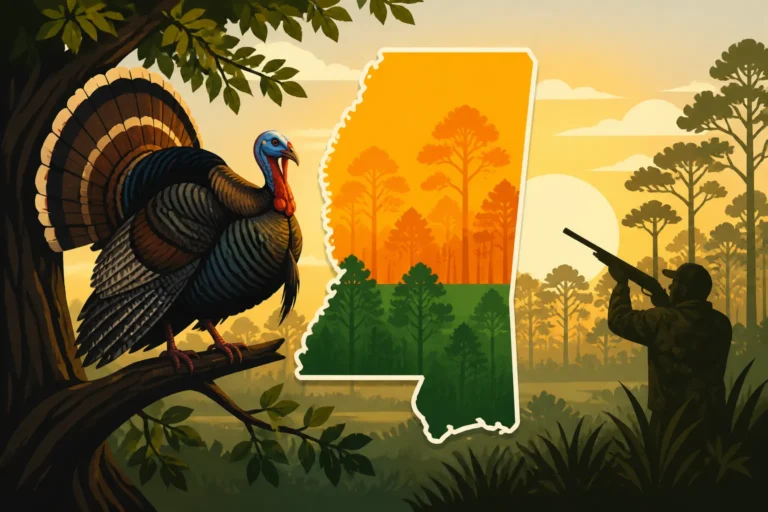
It's incredibly frustrating when you spend months scouting, wake up before dawn, and hit the woods only to find the gobbling just isn't what it used to be. Many of us turkey hunters across Mississippi have felt that pinch, noticing fewer birds and tougher hunts in recent years. This guide is here to unravel the complex story behind Mississippi's wild turkey population trends, explore the real reasons behind the changes we're seeing, and discuss what hunters and wildlife managers are doing about it.
A Look at Recent Turkey Population Trends in Mississippi
For many years, Mississippi was a turkey hunting paradise, boasting robust populations that seemed to bounce back season after season. But if you've been in the woods lately, especially over the last five to ten years, you've likely sensed a shift. The data confirms what many hunters are experiencing firsthand: wild turkey populations in many parts of the state, and indeed across much of the Southeast, are facing some significant headwinds. It's not a simple issue, and there's no single villain to point a finger at, but rather a combination of environmental changes, habitat shifts, and other pressures.
Understanding Statewide Turkey Harvest Numbers
One of the most immediate indicators we have for tracking the health of the turkey population is the annual harvest data. The Mississippi Department of Wildlife, Fisheries, and Parks (MDWFP) meticulously collects this information, and it paints a clear, if sometimes disheartening, picture. While harvest numbers aren't a direct count of every bird in the woods, they reflect hunter effort, success rates, and, by extension, the availability of birds. Historically, Mississippi has seen impressive turkey harvests, a testament to successful restoration efforts decades ago that brought turkeys back from the brink in many areas.
However, recent years have shown a noticeable decline. For instance, the data from the 2025 season indicated that the Why the 2025 Turkey Harvest Fell Eleven Percent. This wasn't an isolated dip; it continued a trend observed over several seasons. Such a decrease isn't just a statistical blip; it directly impacts how many birds hunters encounter, how frequently they hear gobbling, and ultimately, the quality of their hunting experience. While a lower harvest could sometimes mean fewer hunters in the woods or less favorable weather, consistent declines across multiple years strongly suggest a reduction in the overall turkey population. It really makes you wonder what's happening out there when your favorite spot goes quiet.
Poult-to-Hen Ratios and What They Mean
Beyond harvest numbers, one of the most critical metrics wildlife biologists use to gauge the future health of a turkey population is the poult-to-hen ratio. This isn't just some technical jargon; it's a vital indicator of how successful hens are at reproducing and raising their young each year. Essentially, it tells us how many poults (young turkeys) survive to a certain age per adult hen. A healthy ratio, generally around 2.0 or higher, indicates that the population is growing or at least maintaining itself. Anything significantly below that often signals a population in decline.
When we talk about Poult-to-Hen Ratios and What They Mean, we're looking at the engine of the turkey population. If hens aren't successfully bringing off broods, or if poult survival rates are low, then the recruitment of new birds into the population suffers. Over the past few years, many regions in Mississippi have seen these ratios fall below the healthy threshold. This means that fewer young birds are making it to adulthood to replace older birds that are harvested or succumb to natural mortality. It's a compounding problem: fewer poults this year mean fewer two-year-old gobblers next year, and fewer breeding hens in subsequent years. This reality hits hard when you're out there during spring, hoping to hear that woods-filling gobble, and all you get is silence.
Factors Influencing Mississippi's Turkey Population
Understanding the "what" is one thing, but getting to the "why" is where the real work begins. The decline in turkey numbers isn't due to a single, easily identifiable cause. Instead, it's a complex interplay of various factors, many of which are interconnected, making solutions challenging and multifaceted. From the changing face of our forests and farmlands to the increasing pressures from predators, and even the unpredictable hand of Mother Nature, wild turkeys are navigating a tougher landscape than they have in decades.
Habitat Changes and Their Impact
Habitat is the cornerstone of any healthy wildlife population, and wild turkeys are no exception. They need a mosaic of different habitats for nesting, brooding, feeding, and roosting. Unfortunately, significant changes in land use and timber management practices across Mississippi have profoundly impacted these crucial habitats. Areas that once offered ideal conditions are now fragmented, altered, or simply gone.
Consider the vast tracts of mixed pine and hardwood forests that once provided ideal cover and food sources. Today, many of these areas are either converted to monoculture pine plantations—rows upon rows of pines that, while commercially valuable, offer little in the way of diverse forage or open understory needed for poult survival—or cleared for agriculture or development. These intensive timber practices often leave behind uniform stands that lack the diverse structure turkeys require. Hens need dense, low cover for nesting, but also open areas with scattered vegetation for their poults to forage for insects while remaining protected from aerial predators. When these specific habitat requirements are not met, nesting success drops, and poult survival plummets. It's a tough pill to swallow when you see a beautiful piece of diverse woods turned into a pine farm, knowing what that means for the local turkeys. Furthermore, understanding the nuances of how timber is managed is crucial; for example, the detailed discussion in Mississippi Longleaf Pine and Quail Habitat highlights similar habitat needs that turkeys share with quail, illustrating how broader land management impacts these sensitive species.
Predation Pressure on Nests and Poults
It's a harsh reality of the wild: everything is somebody else's dinner. While predators have always been a part of the ecosystem, many biologists believe that increased predator pressure, particularly on nests and young poults, is a significant contributing factor to declining turkey numbers. Animals like raccoons, opossums, skunks, and even feral hogs are opportunistic nest predators, devouring eggs before they even have a chance to hatch. Coyotes, bobcats, and raptors also take a toll on poults and even adult turkeys.
The problem isn't necessarily that these predators exist; it's that their populations have, in some areas, become unnaturally high, often due to changes in human land use or a lack of other natural checks and balances. Nest Predation and Mississippi Turkey Hatches is a topic that resonates deeply with hunters and conservationists alike. When a hen's nest is repeatedly destroyed, or her poults are picked off one by one, it directly impacts the number of birds making it to maturity. While efforts at targeted predator control can be controversial and are difficult to implement effectively on a large scale, acknowledging their impact is crucial. Hunters can contribute by harvesting coyotes and other common predators when opportunities arise, but it’s a big problem to tackle.
Weather Patterns and Reproduction Success
You can do everything right with habitat management and predator control, but you can't control the weather. And for wild turkeys, especially during the critical nesting and brood-rearing periods, weather can be a make-or-break factor for an entire year's reproduction. Mississippi is no stranger to unpredictable weather, from torrential spring rains to extended droughts, and both extremes can have devastating effects.
Heavy, prolonged spring rains during April and May, when hens are nesting and poults are hatching, are particularly detrimental. Newly hatched poults are highly susceptible to hypothermia and drowning. Their downy feathers offer little protection from saturation, and cold, wet conditions can wipe out entire broods. Imagine a hen, diligently incubating her clutch, only for a week of incessant rain to flood her nest or chill her young beyond survival. Conversely, extended droughts can impact the availability of insects and tender vegetation that poults rely on for rapid growth, making them weaker and more vulnerable. The delicate balance required for successful reproduction means that even a few weeks of adverse weather can significantly depress a year's recruitment, and repeated bad weather years can compound the problem, leading to noticeable population dips over time. It's a stark reminder that nature always holds the final card.
Regional Differences in Turkey Populations Across Mississippi
Mississippi is a state of diverse landscapes, from the flat, fertile Delta to the rolling Hills and the swampy Piney Woods along the Gulf Coast. This geographical variety means that wild turkey populations don't experience the same challenges or exhibit the same trends uniformly across the state. What might be thriving in one region could be struggling immensely in another, largely due to variations in habitat, land use, and localized pressures. Understanding these regional nuances is key to appreciating the full picture of Mississippi's turkey outlook.
Where Mississippi Turkeys Are Densest
While declines are a statewide concern, there are still pockets and regions within Mississippi where turkey populations remain relatively robust, offering better hunting opportunities and showing more stable trends. These areas often share common characteristics: extensive, well-managed habitat, lower human population density, and sometimes, less intensive agricultural or timber practices. Historically, many of the more remote, less fragmented forests in central and southern Mississippi have held strong populations.
Specific counties, particularly those with large tracts of national forest land or well-managed private timberlands that mimic natural forest structures, often boast higher turkey densities. For instance, areas around the Homochitto National Forest or certain parts of the Loess Bluff Hills, with their diverse hardwood stands and natural clearings, tend to be among Best Mississippi Counties for Turkeys. These regions often have a mosaic of mature timber for roosting, mid-successional growth for nesting, and open areas for bugging, providing all the critical elements for a thriving turkey population. When you're in one of these areas, the sound of multiple gobblers sounding off at dawn can still be a reality, a hopeful reminder of what good habitat can sustain.
Challenges in the Delta and Piney Woods
In stark contrast to some of the healthier populations, other regions of Mississippi face particularly acute challenges for wild turkeys. The Mississippi Delta, for example, is primarily an agricultural landscape. While the large tracts of bottomland hardwoods in areas like the Delta National Forest provide critical habitat, much of the surrounding land is intensively farmed. This means less diverse habitat, increased exposure to pesticides, and less cover for turkeys outside of protected areas. Flooding, which is common in bottomland regions, can also devastate nests during crucial spring months. The fragmentation of habitat, where turkeys might be isolated in small woodlots surrounded by vast fields, makes them more vulnerable to predation and reduces their ability to disperse and find new mates.
Similarly, the Piney Woods region, while heavily forested, often features vast, commercially managed pine plantations. While some wildlife can adapt, intensive pine management, especially during the early stages of growth, creates dense, uniform stands that lack the diversity turkeys need. Prescribed burns, while beneficial for overall forest health and longleaf pine ecosystems, need to be carefully timed and managed to avoid impacting nesting hens. In these regions, finding good turkey habitat often means searching for areas where timber management includes considerations for wildlife, such as leaving hardwood strips, creating openings, or managing understory to provide diverse food and cover. It's a constant struggle for turkeys to find suitable refuge and successfully reproduce in these altered landscapes.
Conservation Efforts and Management Strategies
The good news is that wildlife agencies, conservation organizations, and dedicated hunters aren't sitting idly by while turkey populations face these challenges. Recognizing the trends, the MDWFP, alongside partners like the National Wild Turkey Federation (NWTF), is actively engaged in a variety of conservation efforts and management strategies designed to bolster turkey numbers and ensure the future of turkey hunting in Mississippi. It's a long game, requiring patience, scientific understanding, and the cooperation of landowners and hunters alike.
MDWFP's Role in Turkey Management
The Mississippi Department of Wildlife, Fisheries, and Parks is at the forefront of monitoring and managing the state's turkey resources. Their work is multifaceted, combining scientific research, habitat improvement, and regulatory oversight. One of their primary roles is conducting annual surveys, such as the brood surveys that help determine poult-to-hen ratios and offer insights into reproductive success, similar in methodology to Mississippi Turkey Brood Survey Results. This data is crucial for understanding population dynamics and identifying areas of concern.
Based on these findings, the MDWFP implements and adjusts hunting regulations. Over the years, we've seen changes to bag limits, season dates, and even the establishment of youth-specific seasons, all aimed at ensuring sustainable harvest while allowing populations to recover. For example, understanding Mississippi Spring Turkey Bag Limit Rules or Mississippi Youth Turkey Bag Limit Rules is vital for any hunter, as these regulations are direct responses to the health of the turkey population. A significant development was the introduction of The New Mississippi Wild Turkey Stamp, a dedicated funding mechanism designed to funnel resources directly into turkey research, habitat restoration, and conservation programs. This proactive approach, funded directly by hunters, is a testament to the commitment to securing the future of wild turkeys in the state.
Habitat Improvement and Landowner Involvement
While regulations are important, the most impactful way to support turkey populations is through habitat improvement. Turkeys need quality habitat to thrive, and across Mississippi, efforts are underway to restore and enhance these crucial areas. This involves everything from selective timber harvesting that creates diverse forest structures, to prescribed burning that revitalizes undergrowth and provides nutritious forage, and establishing native warm-season grasses for nesting and brooding cover.
A huge part of this effort relies on private landowners, who control the vast majority of land in Mississippi. Educational programs and technical assistance from the MDWFP and organizations like the NWTF help landowners understand how their land management decisions impact turkeys. Encouraging practices such as leaving un-mowed field borders, planting native cover, and managing timber stands for diversity rather than just commodity production can make a significant difference. On public lands, like Wildlife Management Areas (WMAs) and National Forests, the MDWFP actively implements habitat management plans tailored to benefit turkeys and other wildlife. It's a collaborative effort, recognizing that healthy turkey populations are a reflection of a healthy landscape, and every acre managed with wildlife in mind contributes to the bigger picture.
What the Future Holds for Mississippi Turkeys
Looking ahead, the future of Mississippi's wild turkeys is a complex equation, influenced by everything from global climate patterns to local land-use decisions. While the challenges are real, there's also a strong resolve among conservationists and hunters to ensure that the iconic gobble continues to echo through our spring woods. This requires ongoing vigilance, adaptability, and a collective commitment to responsible management and ethical hunting practices. The path forward involves leveraging technology, adapting our strategies, and doubling down on conservation efforts.
The Importance of Hunter Participation and Data
Hunters are not just consumers of wildlife resources; they are critical conservation partners. Your participation, particularly in data collection, is more important than ever. Every turkey harvested needs to be reported, and understanding Mississippi Turkey Checking Requirements is vital. This harvest data, combined with citizen science initiatives, provides invaluable information to biologists. For example, hunters who participate in brood surveys, recording observations of hens and poults throughout the summer, contribute directly to the "Mississippi Turkey Brood Survey Results" that help wildlife managers assess reproductive success and identify trends.
Beyond formal reporting, platforms and apps like GoHunt can empower hunters to better understand local conditions, access mapping tools, and even contribute observations. By actively engaging with data, hunters can become better informed and make more strategic decisions about where and how they hunt. This synergy between hunters and wildlife agencies is essential for a comprehensive understanding of population health and for developing effective conservation strategies. Your eyes and ears in the field are a crucial component of the big picture.
Adapting Hunting Strategies to Changing Populations
As turkey populations shift, so too must our hunting strategies. The days of simply walking into any patch of woods and expecting to hear multiple gobblers might be behind us in some areas. Instead, hunters need to become more adaptable, more skilled, and more focused on scouting and understanding the specific conditions of their hunting grounds. This means more intensive pre-season scouting, paying closer attention to current habitat conditions, and being willing to cover more ground.
Techniques like Roost Hunting Mississippi Gobblers or Calling a Mississippi Gobbler Off the Roost become even more critical when birds are fewer and further between. Learning to identify diverse food sources, understand natural travel corridors, and even locate Where Mississippi Gobblers Roost can give you an edge. For areas with lower densities or pressured birds, a Run-and-Gun Turkey Tactics on Public Land approach, covering lots of ground to locate that one bird, might be more effective than sitting in one spot for hours. Tools like GoHunt can also provide valuable information on public land access and boundaries, helping hunters find new areas that might hold birds. It's about becoming a better, more resilient hunter, capable of adapting to the realities of a dynamic wildlife population. Ultimately, our passion for turkey hunting drives us to protect these birds, and adapting our approach is a key part of that commitment.
| Region | Population Trend (Last 5 Years) | Average Poult-to-Hen Ratio | Primary Challenges | Key Conservation Focus |
|---|---|---|---|---|
| Delta Unit | Declining | 1.0 – 1.5 | Habitat fragmentation, flooding, predation | Bottomland hardwood restoration, flood mgmt. |
| Hills Unit | Stable to Slightly Declining | 1.5 – 2.0 | Habitat quality, localized predation | Forest diversity, prescribed burning |
| Southeast Unit | Stable | 1.8 – 2.2 | Pine monoculture, habitat connectivity | Mixed pine/hardwood conversion, corridors |
| North Central Unit | Declining | 1.2 – 1.7 | Habitat fragmentation, development, predation | Small parcel management, public education |
Disclaimer
The information provided in this article is for general informational purposes only and is not intended as legal, financial, or professional advice. Hunting regulations and wildlife population dynamics are subject to change. Always consult the most current Mississippi Department of Wildlife, Fisheries, and Parks regulations and local laws before engaging in any hunting activities.