Do Feral Hogs Need Landowner Permission?
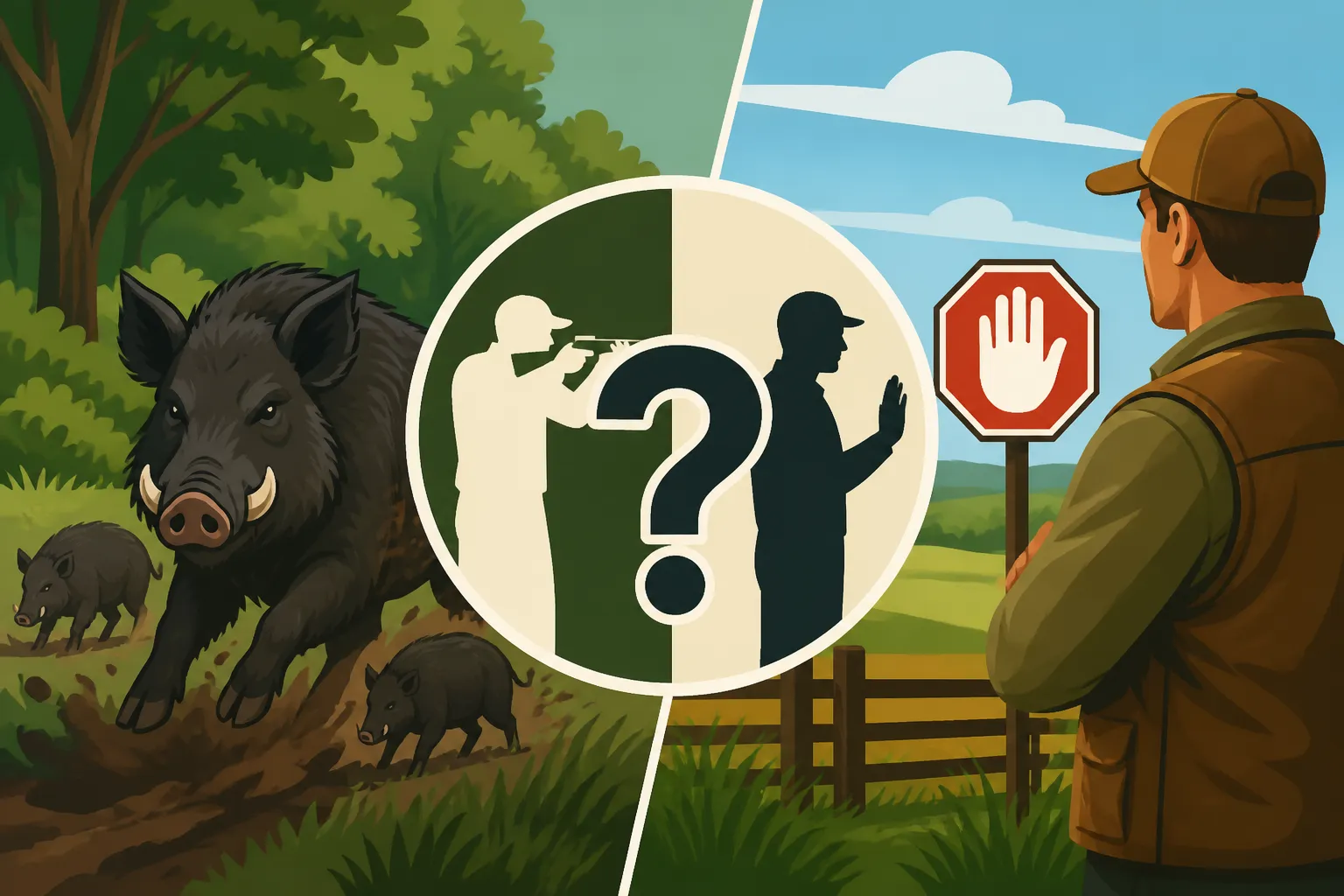
The issue of feral hogs tearing up fields, food plots, and natural habitats is a real pain for landowners and hunters alike across Mississippi. These destructive critters are everywhere, and many folks are eager to do their part to help control the population. But a common question always comes up: do you actually need landowner permission to hunt feral hogs, especially since they're such a nuisance? This comprehensive guide is going to break down all the ins and outs of permission, regulations, and best practices for hunting feral hogs in the Magnolia State, whether you're eyeing private land or navigating public hunting grounds.
Understanding Mississippi's Feral Hog Regulations
Feral hogs are not your typical game animal in Mississippi, and understanding this distinction is key to knowing the rules. Unlike deer or turkey, which have specific seasons, bag limits, and often require a deep understanding of herd management, feral hogs are an entirely different beast. They're an invasive species, plain and simple, and their impact on the state's agriculture and natural ecosystems is devastating.
Why Hogs Are Different Than Other Game
If you've spent any time in Mississippi's woods or farm country, you've probably seen the damage feral hogs can inflict. Their rooting habits destroy crops, pastures, and even sensitive wetlands. They compete with native wildlife, like white-tailed deer and wild turkeys, for food sources, and they can spread diseases. This isn't just an inconvenience; it's a full-blown ecological and economic problem. Because of this widespread destruction, the Mississippi Department of Wildlife, Fisheries, and Parks (MDWFP) has taken a unique approach to managing feral hogs.
While you need to be acutely aware of Mississippi Deer Season Structure Explained or Mississippi Spring Turkey Season Rules, the rules for feral hogs are much more liberal. There's no closed season, no bag limit, and generally, no sex restriction on hogs. This open-door policy reflects the state's desire to reduce their numbers by any legal means necessary. However, "any legal means necessary" still comes with a very important caveat: it doesn't give you carte blanche to just go stomping wherever you please. The fundamental right of private property still applies, even when you're targeting a nuisance animal.
The Letter of the Law: Private Versus Public Land
Here’s where the rubber meets the road. Mississippi law is quite clear: yes, you absolutely need landowner permission to hunt feral hogs on private land. This is non-negotiable, just as it would be for hunting deer, squirrel, or any other game species. The fact that hogs are a nuisance doesn't nullify property rights. If you step foot on someone else's property without their explicit permission, you are trespassing, and you can face legal consequences, including fines and even jail time, depending on the severity and repeat offenses.
For hunting on public lands, the rules become a bit more nuanced. Lands managed by the MDWFP, such as Mississippi Wildlife Management Areas, or federal lands like the Delta National Forest Hunting or Homochitto National Forest Hunting, generally allow hog hunting. However, these areas have their own specific regulations regarding hunting hours, weapon types, and sometimes even methods. For instance, while you can hunt feral hogs year-round on most public lands, some WMAs might have temporary closures or specific guidelines during other hunting seasons (like deer or turkey season) to minimize interference. It's crucial to consult the MDWFP's official regulations or the specific WMA's rules before you head out. A useful tool like the GoHunt app can provide real-time updates and maps for these public areas, helping you avoid accidental trespass or rule violations.
Securing Permission on Private Land for Hog Hunting
If you're looking to make a serious dent in the hog population and access some prime private land, simply showing up with your rifle isn't going to cut it. Building relationships and communicating effectively with landowners is paramount. It’s about more than just asking; it’s about offering value and respecting their land.
The Importance of Respect and Communication
Many landowners are desperate for help with feral hogs. They see their fields ravaged, fences destroyed, and wildlife habitat degraded. This means you, as a hunter, can offer a solution to a real problem. When approaching a landowner, start by acknowledging their struggle and expressing your desire to assist them in managing the hog population. Don't just ask, "Can I hunt your hogs?" Instead, try, "I've noticed you have some hog activity, and I'd be happy to help you reduce their numbers if you'd be open to it." This frames your request as a service, not just a recreational activity.
Always be polite, professional, and clear about your intentions. Discuss specific areas you'd like to hunt, what times you'll be there, and what methods you plan to use. Some landowners might be open to hunting but have specific areas they want to avoid, like near their house or livestock. Others might have preferences on hunting methods, such as Night Hunting Hogs With Lights on Private Land versus daylight hunting. Showing respect for their land means following their rules to the letter and leaving the property exactly as you found it, if not better. Ignoring Mississippi Trespass and Permission Law can lead to bad blood and even harsher penalties if you're caught.
Best Practices for Gaining Access
Finding landowners who are open to hog hunting can sometimes feel like a treasure hunt. Start by networking. Talk to local farmers, feed store owners, or even folks at your church or community events. Word of mouth is incredibly powerful in Mississippi. Sometimes, offering to help with other farm chores—mending a fence, clearing brush—can open doors. Remember, you're building a relationship, not just asking for a one-time favor.
When you do connect with a potential landowner, it’s always a good idea to get permission in writing, even if it's just a simple signed note. While Do You Need Written Permission in Mississippi? typically refers to posted land, having something in black and white can prevent misunderstandings down the road. This note should clearly state who has permission, what activities are allowed (e.g., hog hunting, trapping), the dates of permission, and any specific areas or restrictions. For those seeking properties, apps like GoHunt can help identify land ownership boundaries, which is a great first step in knowing who to contact. Once you have permission, discuss:
- Hunting Zones: Clearly define where you can and cannot hunt.
- Access Points: Agree on specific entry and exit routes.
- Timeframes: Establish when you can hunt (e.g., specific days, daylight hours, night hunting).
- Methods: Confirm what methods are allowed (firearms, archery, Trapping Mississippi Feral Hogs, Running Dogs on Mississippi Feral Hogs).
- Communication: How and when to notify the landowner of your presence.
- Harvest Reporting: If they want to know what you take.
| Permission Type | Description | Key Considerations |
|---|---|---|
| Verbal Permission | An oral agreement from the landowner allowing you to hunt hogs on their property. | Easy to obtain, but can lead to misunderstandings or disputes if details aren't crystal clear. Best for long-standing relationships with high trust. |
| Written Permission | A signed document (e.g., a simple letter, a permit from a hunting club, or a formal lease agreement) outlining the terms of access. | Provides legal proof of permission, reducing the risk of trespassing charges. Highly recommended for new contacts or unfamiliar properties. Can specify dates, areas, and methods. |
| Leased Land Access | Hunting rights secured through a formal lease agreement, often involving an annual fee, giving you more extensive rights and control over the property for the duration of the lease. | Offers the most secure access and control over hunting opportunities. Often involves a significant financial commitment. More common for deer and turkey, but some clubs lease for comprehensive game management including hogs. |
| Public Land Access | Granted by state or federal agencies (MDWFP, US Forest Service, etc.) for designated hunting areas like WMAs, National Forests, or National Wildlife Refuges. | No direct landowner permission needed, but requires adherence to specific agency regulations, which can vary widely by location and time of year. Always check current rules before hunting, sometimes easily done through the GoHunt platform. |
Navigating Public Land for Mississippi Hogs
Public lands offer fantastic opportunities to hunt feral hogs without the need for individual landowner permission, but they come with their own set of rules and limitations. It’s never a free-for-all, even for an invasive species like the feral hog.
WMA-Specific Regulations
Mississippi's Wildlife Management Areas (WMAs) are designed to provide public hunting access, and many of them are hotbeds for feral hog activity. Each WMA, however, typically operates under its own specific set of regulations, which can differ significantly from statewide rules. This means that while Hunting Mississippi's Year-Round Feral Hogs is generally allowed, a particular WMA might restrict hunting during certain times of the year, limit the weapons you can use, or even specify where you can park and how you must check in.
For example, some WMAs might prohibit the use of dogs for hog hunting, even though it's a common method on private land. Others might restrict Night Hog Hunting Light Rules in Mississippi or the use of specific calibers. The MDWFP website is your best friend here, providing detailed breakdowns for each WMA. Many serious WMA hunters also rely on mapping tools like those found in the GoHunt app, which often include WMA boundaries and can sometimes overlay specific rules or known hog hotspots. Remember, even if you’re only targeting hogs, you need the proper Mississippi Hunting Licenses and What They Cost and WMA permits as required. Failure to check the individual WMA rules can quickly turn an exciting hog hunt into a ticketable offense.
National Forest and National Wildlife Refuge Rules
Beyond WMAs, Mississippi boasts several National Forests, such as the Bienville National Forest Hunting, and National Wildlife Refuges that offer public hunting. These federal lands present a slightly different regulatory landscape. While they generally follow state hunting laws, they also layer on their own federal regulations. For instance, Hunting the Mississippi River Backwaters on refuge land might have stricter rules than state-managed areas.
For hogs, this often means that while hunting is typically permitted year-round, there might be restrictions on motorized vehicle use, camping, or the types of stands you can erect. National Forests, being vast tracts of land, often have fewer restrictions than the more intensely managed Wildlife Refuges, but you still need to be diligent. Night hunting, for example, is often prohibited on federal lands unless specifically stated otherwise. Always check the individual forest or refuge website for their current hunting plans and specific feral hog regulations. Many of these areas are huge, and knowing the boundaries and rules can save you a lot of headache. Understanding the distinctions between these public land types is essential for Public Hunting Land in Mississippi to avoid any unintended legal issues.
Other Important Considerations for Mississippi Hog Hunters
Beyond just getting permission, there are several other practical and legal aspects you need to keep in mind when hunting feral hogs in Mississippi. These considerations ensure you’re hunting ethically, legally, and safely.
Methods and Equipment Permitted for Hogs
Mississippi's liberal hog regulations extend to a variety of hunting methods, but again, always defer to specific land rules (private landowner, WMA, or federal land). Generally, you can hunt hogs with:
- Firearms: Most common calibers are allowed.
- Archery Equipment: Bows and crossbows are legal.
- Trapping: What Hog Trappers Use in Mississippi can range from simple snares to large, sophisticated corral traps. This is often the most effective method for reducing large numbers of hogs. Mississippi Feral Hog Trapping Rules are fairly straightforward, but placement on private land always requires landowner permission.
- Dogs: Running Dogs on Mississippi Feral Hogs is a popular and effective method, particularly in dense cover. This usually entails bay dogs to stop the hog and catch dogs to secure it. If hunting with dogs, ensure your dogs are controlled and don't trespass onto neighboring properties.
- Night Hunting: Night Hunting Hogs With Lights on Private Land is explicitly allowed on private land with landowner permission. Many hunters find hogs to be more active at night, making this a highly effective strategy. Ensure you understand Night Hog Hunting Light Rules in Mississippi regarding weapon use and light sources.
Regardless of the method, shot placement is critical. Hogs are tough animals, and good Shot Placement on a Feral Hog ensures a quick, humane kill. Always be prepared for Handling a Hog After the Shot, especially if you're deep in the woods or far from your vehicle.
Avoiding Trespass and Penalties
The rules around trespass in Mississippi are clear: hunting on private land without permission is illegal. It’s not a gray area. If you are caught hunting without permission, you could face significant penalties, which typically escalate with repeat offenses. This could include fines, forfeiture of hunting equipment (including firearms), and loss of hunting privileges.
Even if you mistakenly cross a property line, it’s still considered trespass. This is where tools like GoHunt or other GPS mapping apps become invaluable. By using these tools, you can clearly see property boundaries, even when there are no physical signs on the ground. Always double-check your location, especially in areas with unclear boundaries or dense cover. If you accidentally retrieve game from private land, Retrieving Game From Private Land in Mississippi often requires immediate contact with the landowner for permission to enter and retrieve the animal. Don't just go in without asking; that's a surefire way to get into trouble and burn bridges with local landowners. Respecting Mississippi Posted Land Rules is not just about avoiding a ticket; it's about maintaining a good reputation as a hunter and ensuring future access for everyone.
The Role of Hunter Education and Ethics
While not directly tied to permission, sound hunter education and ethical practices are always important, especially when dealing with a species like feral hogs. Although Mississippi Hunter Education Requirements primarily focus on safety and conservation for regulated game, the principles apply universally. Being a responsible hunter means more than just pulling the trigger. It means respecting property, understanding wildlife management, and upholding the integrity of the hunting tradition. By acting as a responsible hunter, you are much more likely to gain and maintain access to private lands, and you contribute positively to the perception of hunters in general.
Disclaimer
Please note that hunting regulations, including those pertaining to feral hogs, can change. While this guide provides comprehensive information based on current knowledge, it is your responsibility to verify all regulations with the Mississippi Department of Wildlife, Fisheries, and Parks (MDWFP) before engaging in any hunting activities. Always prioritize safety, ethical hunting practices, and respect for private property.