Mississippi Turkey Harvest Numbers
It can feel like a constant puzzle trying to decode the whispers of the woods, especially when it comes to wild turkeys. Some years, the gobblers seem to be everywhere, drumming and strutting with abandon. Other years, it feels like you're chasing ghosts, and you start to wonder if the population has taken a hit. This guide is here to shed some light on Mississippi's official turkey harvest numbers, helping you understand what these statistics truly reveal about the health of our turkey population and how you can use this vital information to become a more strategic and successful hunter.
Understanding Mississippi's Turkey Harvest Data
When we talk about "turkey harvest numbers," it might sound like a purely scientific or administrative thing, but for us hunters, it's the heartbeat of our season. It's the tangible outcome of countless hours spent scouting, calling, and waiting. These numbers tell a story about the overall health of the wild turkey population, the success rates of hunters, and even hints at how factors like weather or habitat changes are impacting the birds we pursue. Ignoring this data is like trying to navigate the Delta without a map – you might get there, but it'll be a lot harder.
What is Harvest Data Anyway
Simply put, harvest data is the compilation of all the wild turkeys reported by hunters as legally harvested during the designated hunting seasons. In Mississippi, this primarily focuses on the spring season, which is our big event for gobblers. It includes the total number of birds taken, often broken down by type (gobblers versus jakes), and sometimes even by specific geographic units or counties. This isn't just a tally; it’s a critical pulse check for wildlife management. The Mississippi Department of Wildlife, Fisheries, and Parks (MDWFP) uses these figures to monitor population trends, assess the effectiveness of current hunting regulations, and make informed decisions about future seasons. If you've ever wondered why the season lengths or bag limits might shift slightly, this data is often at the core of those decisions. It provides a historical record, allowing us to compare this year's success with last year's, or even look back a decade to spot larger patterns in the bird's abundance.
How MDWFP Collects These Numbers
The MDWFP has a pretty robust system in place for collecting this crucial data, and it relies heavily on us, the hunters. When you harvest a turkey in Mississippi, it's mandatory to report that harvest. You can do this through the MDWFP's online system, via their mobile app, or even by calling a dedicated phone number. This reporting system asks for basic information like the date of harvest, the county where it was taken, and whether it was a gobbler or a jake. Some reporting might even ask for spur length or beard length, which gives biologists even more detailed insights into the age structure of the harvested population. This diligent reporting is how the state keeps tabs on the overall health and distribution of the turkey population. Without accurate and timely reports from every hunter, the picture becomes blurry, making it harder for our wildlife agencies to manage the resource effectively. It’s not just a bureaucratic chore; it's a direct contribution to the future of turkey hunting in our state.
The Importance of Hunter Reporting
Now, I know, sometimes after a successful hunt, the last thing you want to do is fiddle with an app or make a phone call. You’re excited, you’re tired, and you just want to get that bird cleaned. But I can't stress enough how vital your honest and timely reporting is. Every single turkey you report contributes to a larger dataset that paints a comprehensive picture for wildlife managers. If a significant number of hunters fail to report their harvests, the data becomes incomplete, potentially leading to skewed interpretations of population health. Imagine if the numbers suggest a decline because of underreporting, and the MDWFP decides to shorten seasons or reduce bag limits as a result. That impacts everyone. Conversely, accurate reporting can demonstrate a healthy, thriving population, supporting current regulations or even opening up possibilities for adjustments that favor hunters. It's our responsibility as ethical hunters to participate in this process. Plus, it's required by law, and you don't want to get caught without reporting your bird. This collective effort ensures that the MDWFP has the best possible information to ensure sustainable hunting opportunities for generations to come.
Breaking Down the Numbers: Annual Trends and Fluctuations
Looking at raw numbers can sometimes feel like staring at a spreadsheet without context. But once you start to break them down, you’ll find a fascinating narrative about our wild turkeys. Understanding these trends helps us move beyond anecdotal evidence and gives us a more objective view of what's happening in the woods. Is it just me, or were there fewer birds last year? The data can often provide the answer.
Looking at the Big Picture: Decade-Long Trends
When we zoom out and look at turkey harvest data over a decade or more, significant patterns start to emerge. For example, if we look back to the early 2000s, Mississippi experienced a peak in wild turkey populations, with corresponding high harvest numbers. This was a testament to incredible restoration efforts over the preceding decades. However, in more recent years, like many states in the Southeast, Mississippi has seen a gradual decline in spring turkey harvest numbers. For instance, the 2023 spring turkey harvest in Mississippi was 25,123 birds. This was a decrease from the 2022 harvest of 28,876, and a more significant drop from the 32,189 birds harvested in 2020. This downward trend isn't unique to Mississippi; it's a regional issue.
These longer-term trends give biologists and hunters a vital understanding of the general health and stability of the turkey population. A consistent downward trend, like what we've seen, triggers deeper investigation into factors such as habitat loss, changes in Poult-to-Hen Ratios and What They Mean, increased predation, or disease impacts. It also informs decisions on statewide strategies, such as the timing of Mississippi Spring Turkey Season Rules or potential adjustments to Mississippi Adult Turkey Bag Limit. While no hunter wants to see declining numbers, acknowledging these trends is the first step toward effective conservation and ensuring future seasons.
Year-to-Year Swings and What They Mean
While the decade-long trends paint a broad picture, the year-to-year fluctuations are often what we feel most acutely as hunters. One year might be phenomenal, with gobblers sounding off from every ridge, leading to high harvest numbers. The next year, it might feel like the birds have vanished, resulting in a lower harvest. These shorter-term swings can be influenced by a myriad of factors, many of which are outside of human control.
Consider the weather: a cold, wet spring during nesting season can significantly impact brood survival, meaning fewer jakes (and future gobblers) in a couple of years. Conversely, a mild winter followed by an ideal spring for breeding can lead to a boom. Changes in food sources, like a heavy acorn crop one year leading to dispersed birds, versus a mast failure the next year concentrating birds, can also affect hunter success and thus harvest numbers. Even hunting pressure can play a role; if a particular year sees a massive influx of hunters, harvest numbers might temporarily spike, even if the population isn't necessarily larger. This variability is why it's crucial for the MDWFP to collect data annually, allowing them to track these immediate changes and respond with appropriate management adjustments.
Harvest Breakdown by Unit or Region
Mississippi isn't a homogenous landscape, and neither are its turkey populations. From the rolling hills of the North Central Unit to the dense bottomlands of the Delta, habitat varies wildly, and so do the turkeys. The MDWFP often breaks down harvest data by county or by its established deer management units (though turkey management might follow slightly different regional divisions). This localized data is incredibly insightful.
For example, certain counties consistently rank among the Best Mississippi Counties for Turkeys, showing higher harvest numbers year after year. This might be due to better habitat, less hunting pressure, or a more robust local population. Other regions might show lower numbers, indicating areas that could benefit from habitat improvements or more stringent management. This granular data can tell a hunter a lot. If you're planning a trip to a specific public land area, looking at its county's harvest numbers can give you a rough idea of the turkey density and success rates within that general region. Tools like GoHunt often incorporate this kind of localized data, allowing hunters to filter information by specific areas and gain a deeper understanding of regional differences before they even set foot in the woods. It helps confirm or challenge your perceptions of specific hunting grounds.
Here’s a snapshot of Mississippi’s statewide spring turkey harvest and hunter participation over the last few years:
| Year | Total Spring Harvest | Number of Hunters | Birds Per Hunter (Approx.) |
|---|---|---|---|
| 2023 | 25,123 | 63,200 | 0.40 |
| 2022 | 28,876 | 65,500 | 0.44 |
| 2021 | 30,510 | 68,000 | 0.45 |
| 2020 | 32,189 | 69,500 | 0.46 |
| 2019 | 32,716 | 69,000 | 0.47 |
As you can see from the table, there's a clear trend of declining harvest numbers and slightly fewer participating hunters in recent years, hinting at potential challenges for Mississippi's wild turkey population.
Factors Influencing Mississippi's Turkey Harvest
The total number of turkeys harvested each year isn't just a random outcome; it's the result of a complex interplay of environmental conditions, biological factors, and even human behavior. Understanding these influences can help us appreciate the delicate balance of turkey management and why some years are simply better than others.
Weather's Role in Success Rates
Mississippi's weather is notoriously unpredictable, and it plays a massive role in turkey harvest success. A cold, wet nesting season in April or May can decimate poult survival, meaning fewer jakes two years down the road, and fewer mature gobblers in subsequent years. Young turkeys are incredibly vulnerable to exposure and disease, and heavy rainfall during their early weeks can be catastrophic. On the flip side, a warm, dry spring leading into summer can boost brood survival significantly.
Beyond nesting, the weather during the hunting season itself is a huge factor. Mild, sunny days encourage gobblers to strut and vocalize, making them easier for hunters to locate and call in. Conversely, cold snaps, heavy rains, or strong winds can make birds tight-lipped and less active, reducing hunter opportunities and driving down success rates. Imagine sitting in a downpour for hours, hoping a gobbler will respond, only to hear nothing. It’s frustrating, and it directly impacts the number of birds brought to bag. This is why even when populations are stable, a string of bad weather days can make a season feel much tougher.
Habitat Quality and Food Availability
The quality and availability of suitable habitat are the bedrock of any healthy wildlife population, and wild turkeys are no exception. Turkeys need a mosaic of different habitat types: open woods for strutting, dense cover for nesting, mature timber for Mississippi Turkey Roost Tree Preferences, and diverse food sources like acorns, insects, and soft mast. As landscapes change due to development, agricultural practices, or timber management, the quality and quantity of these essential habitats can shift dramatically.
Loss of contiguous forest, fragmentation of suitable nesting cover, or a decline in natural food sources can directly impact turkey numbers. For example, extensive clear-cutting without proper regeneration planning might initially provide some bugging habitat but could remove crucial nesting and roosting cover. Conversely, well-managed forests that incorporate prescribed burns can improve understory vegetation, creating ideal foraging and nesting areas. The presence of plentiful acorns or other mast crops can also affect harvest. In years with abundant mast, turkeys might be more dispersed across the landscape, making them harder to find. In lean mast years, they might concentrate around limited food sources, potentially making them easier for hunters to locate, but also making the population more vulnerable if those food sources are heavily hunted. Understanding these habitat dynamics is key to understanding Mississippi Turkey Population Trends.
Predator Impact and Disease Concerns
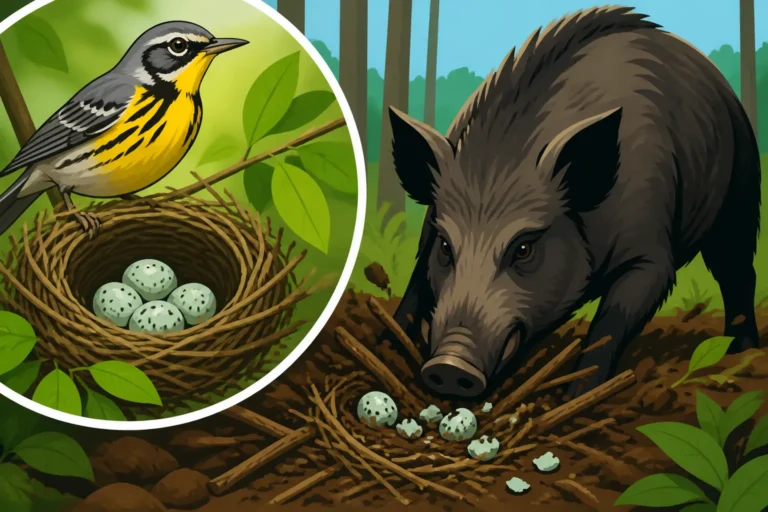
While habitat and weather are major players, predators and disease also exert considerable pressure on wild turkey populations, impacting harvest numbers indirectly. Turkeys face a gauntlet of predators throughout their life cycle, from raccoons and opossums raiding nests, to coyotes and bobcats preying on hens and poults. While predation is a natural part of the ecosystem, an imbalance – perhaps an unnaturally high predator population coupled with poor nesting cover – can suppress turkey numbers. Studies on Nest Predation and Mississippi Turkey Hatches highlight just how vulnerable eggs and young poults are.
Diseases can also sweep through turkey populations, though they are often less visible than dramatic EHD outbreaks in deer. Avian pox, blackhead disease, and other pathogens can reduce turkey health, lower reproductive success, and increase mortality. While MDWFP constantly monitors for these issues, widespread outbreaks can certainly contribute to lower population densities and, subsequently, lower harvest figures. It’s a constant battle for these birds, and a factor that wildlife managers consider carefully when setting harvest quotas and season structures.
Interpreting Harvest Data for Your Hunt Planning
Okay, so we've looked at the numbers and the factors influencing them. But how does this actually help you when you're planning your next hunt? This is where the rubber meets the road. Understanding the data isn't just for biologists; it's a powerful tool for any serious turkey hunter.
Identifying High-Performing Counties
One of the most immediate benefits of looking at harvest data is identifying counties or regions that consistently produce higher numbers of harvested turkeys. While every year is different, historical data can highlight areas with strong, healthy populations. For example, certain counties in the central or southwestern parts of Mississippi might show consistently higher harvest rates over time, suggesting better turkey habitat or management in those areas. This doesn’t guarantee success, but it certainly increases your odds by directing you to areas where more birds generally exist.
Before you commit to a long drive or spend countless hours scouting an area, take a look at the MDWFP's county-level harvest reports. You might find that a county you hadn't considered actually performs exceptionally well. This kind of data-driven scouting can be invaluable, especially if you're exploring new public land or considering a lease in an unfamiliar part of the state. Platforms like GoHunt are great for overlaying this kind of public data onto maps, giving you a visual representation of where the opportunities might be strongest. It's like getting a cheat sheet for where to focus your initial efforts.
Timing Your Hunt Around Peak Activity
While turkey season dates are fixed, understanding the nuances of when birds are most active within those dates can also be gleaned from harvest data, albeit more subtly. For instance, sometimes harvest reports might indicate a surge in successful hunts during a specific two-week window, perhaps correlating with the peak of breeding activity in certain regions. This isn't always explicitly stated, but by correlating opening dates with harvest reports, you can sometimes identify when the best "gobbling activity" window typically occurs. For example, if you see high success rates early in the season, it might suggest that the birds are fired up right from the start.
Conversely, if the harvest numbers are consistently low during the later parts of the season in a particular area, it might indicate that the birds become more call-shy or have already been heavily pressured. This doesn't mean you shouldn't hunt later, but it might mean adjusting your expectations and tactics. For those planning to hunt the Late-March Turkey Opener, knowing when the historical peak has occurred can help you decide if you want to be there right away or wait for a few weeks. The key is to look for patterns that might suggest when the gobblers are most responsive and vulnerable.
Adjusting Tactics for Lower-Harvest Areas
Just because an area has lower harvest numbers doesn't mean it's devoid of turkeys or that you can't be successful. What it does mean is that you might need to adjust your approach. In areas with historically lower harvest rates, turkeys might be more dispersed, more wary due to pressure, or simply exist in lower densities. This is where your skills as a hunter are truly tested.
Instead of expecting multiple gobblers to respond to every call, you might need to employ more patient tactics, like extensive scouting to pinpoint specific Mississippi Turkey Roost Tree Preferences or subtle calling to draw in pressured birds. You might need to cover more ground or focus on lesser-known pockets of habitat. Techniques like Run-and-Gun Turkey Tactics on Public Land might be less effective in sparse areas, favoring a more "sit and wait" or ambush approach near known travel corridors or food sources. Furthermore, if you’re looking at harvest data for public land, lower numbers might indicate higher hunting pressure, pushing birds into harder-to-reach areas. This is your cue to dig deeper, literally and figuratively, scouting those overlooked spots that others walk past. Don't let low numbers discourage you entirely; let them challenge you to become a more adaptable and skilled hunter.
The Future of Mississippi Turkey Hunting and Conservation
The trends we're observing in Mississippi's turkey harvest numbers, particularly the recent declines, underscore the critical importance of ongoing conservation efforts. We, as hunters, have a vital role to play not just in the harvest, but in ensuring the future of this beloved game species.
Conservation Efforts and Management Strategies
The MDWFP, along with various conservation organizations like the National Wild Turkey Federation (NWTF), are actively engaged in strategies to address the challenges facing Mississippi's wild turkey population. These efforts often focus on habitat enhancement and restoration. This includes managing timber for diverse age classes, implementing prescribed burns to create better foraging and nesting cover, and establishing food plots where appropriate. Education programs aimed at landowners are also crucial, encouraging practices that benefit turkeys on private lands.
Furthermore, management strategies often involve carefully evaluating harvest regulations. This could mean adjusting season lengths, bag limits, or even exploring more complex regulations if populations continue to decline. The recent statewide implementation of The New Mississippi Wild Turkey Stamp is a prime example of a funding mechanism specifically designed to support turkey research and habitat projects. It's a testament to the fact that while we enjoy the hunt, we must also invest in the long-term health of the resource. These proactive and adaptive management approaches are essential to reverse negative trends and ensure a thriving turkey population for future generations of hunters.
The Role of Hunter Participation in Data Collection
We touched on this earlier, but it truly cannot be overstated: our participation in accurate data collection is a cornerstone of effective turkey management. Every time you correctly report your harvest, you're contributing a piece to a very large and important puzzle. This data empowers wildlife biologists to make informed decisions about season structures, bag limits, and habitat projects. It allows them to understand how specific regulations are affecting the population and to identify areas that might need more attention.
Beyond just reporting harvests, active hunters can also contribute to citizen science efforts, such as participating in summer brood surveys. These surveys, often facilitated through the MDWFP's app, ask hunters to report sightings of hens with poults, providing critical information on reproductive success. Imagine being out scouting for deer or hogs in July and submitting valuable data that helps assess the year's hatch. This kind of grassroots involvement is powerful. The more comprehensive and accurate the data, the better equipped our wildlife managers are to ensure we have sustainable hunting opportunities, allowing us to continue to enjoy Making the Most of a Three-Bird Season Limit for years to come.
Long-Term Outlook for Mississippi's Wild Turkeys
While the recent downward trends in harvest numbers might cause some concern, the long-term outlook for Mississippi's wild turkeys isn't necessarily bleak. Wildlife management is a dynamic process, and the MDWFP and its partners are continually adapting their strategies based on the latest science and data. With continued habitat management, responsible hunting practices, and robust research efforts, there is every reason to be optimistic about the future.
The wild turkey is a resilient bird, and successful restoration efforts across the country demonstrate its ability to rebound when given the right conditions. Our collective commitment as hunters to ethical practices, compliance with regulations, and active participation in conservation is paramount. By staying informed, contributing to data collection, and supporting organizations dedicated to turkey habitat, we can all play a part in ensuring that the sound of a gobbler echoing through the Mississippi woods remains a cherished tradition for generations. The future of turkey hunting in our state is largely in our hands.
Disclaimer
Please remember that hunting regulations and wildlife populations are subject to change. Always consult the official Mississippi Department of Wildlife, Fisheries, and Parks (MDWFP) website or their most current regulations guide before planning or engaging in any hunting activities. This guide is for informational purposes only and should not replace official state resources.