How CWD Spread Across North Mississippi
The news about Chronic Wasting Disease (CWD) can be really unsettling for anyone who loves hunting in Mississippi. When you hear about it, especially in areas you frequent, it naturally brings up a lot of questions and even some worry about the health of the deer herd and the future of our hunting traditions. This guide aims to pull back the curtain on how CWD made its unwelcome entry and spread across North Mississippi, what we've learned, and what it means for every hunter out there trying to do their part.
Understanding Chronic Wasting Disease Itself
Before we dive into the specifics of how CWD has impacted our corner of the world, it’s essential to have a solid grasp of what this disease actually is. It's not like the flu or a bacterial infection that can be treated with antibiotics; CWD is a beast of a different nature, and understanding its fundamentals helps us appreciate the complexity of its management.
What is CWD and How Does It Affect Deer?
Chronic Wasting Disease is a fatal, neurological disease that affects cervids – that’s deer, elk, moose, and reindeer. It's caused by abnormal proteins called prions. Think of prions like tiny, misfolded rogue proteins that, once introduced, cause other normal proteins in the animal's brain and nervous system to misfold as well. It’s a bit like one bad apple spoiling the whole barrel, but in a much more insidious way, gradually destroying brain tissue.
The disease process is slow and degenerative. A deer can be infected for months, sometimes even years, before showing any outward signs. When symptoms finally appear, they are heartbreaking to witness and universally fatal. Infected animals typically exhibit progressive weight loss (hence "wasting"), drooling, listlessness, tremors, stumbling, and an overall emaciated appearance. They might show unusual behavior, such as a lack of fear of humans, a wide stance, or repetitive movements. Eventually, the deer's nervous system is so compromised that it can no longer function, leading to death. There is currently no vaccine or cure for CWD.
Transmission Pathways of CWD
One of the biggest challenges with CWD is how easily and persistently it can spread. It’s not just about one deer touching another. There are several ways this disease moves through a population, making it incredibly difficult to contain once established.
The most straightforward way CWD transmits is through direct contact between infected and healthy animals. This includes saliva, urine, feces, and blood. Think about deer interacting at a common food source, rubbing antlers on the same trees, or even does tending to their fawns. Any close proximity can facilitate transmission. A doe can also pass the disease directly to her fawn, which is a particularly worrying vertical transmission pathway that ensures the disease continues across generations.
Beyond direct contact, CWD prions are notorious for their environmental persistence. Once shed into the environment through an infected animal's bodily fluids, these prions can bind to soil particles and vegetation, remaining infectious for years, even decades, under various conditions. This means that a healthy deer can pick up the prions indirectly by grazing in contaminated areas, drinking from contaminated water sources, or even just coming into contact with contaminated soil. This environmental reservoir makes eradication virtually impossible, as the ground itself becomes a source of infection long after the original infected animal is gone. Hunters also play a role, inadvertently, if they move an infected carcass or certain parts of it across county or state lines, spreading the prions to new areas.
The Initial Discovery and Early Spread in Mississippi
The news that CWD had arrived in Mississippi hit the hunting community hard. For years, we'd watched it spread across other states, always hoping it would bypass our borders. But in 2018, that hope was shattered, and our collective focus shifted to understanding and mitigating its impact.
The First Confirmed Case in Benton County (2018)
The moment that changed everything for Mississippi deer hunting occurred in February 2018. It wasn't a random surveillance test that found it; it was an alert taxidermist in Benton County who noticed something wasn't quite right with a deer brought in by a hunter. The buck was unusually thin and exhibited some of the tell-tale neurological signs of CWD. The taxidermist, familiar with the disease from other states, immediately contacted the Mississippi Department of Wildlife, Fisheries, and Parks (MDWFP).
The MDWFP swiftly collected samples, and subsequent testing at a national veterinary diagnostic laboratory confirmed the worst: Mississippi had its first documented case of Chronic Wasting Disease. The news sent ripples of concern through the state's hunting population, particularly those in the northern counties. Benton County, located in the far northern reaches of the state, suddenly became the epicenter of a new and daunting challenge. The swift action of that vigilant taxidermist cannot be overstated; early detection, though unwelcome, is absolutely critical for any chance of slowing the disease's march. If you want to dive deeper into the specifics, you can check out details about Which County Found Mississippi's First CWD Case.
Tracing the Early Contamination
Pinpointing the exact origin of CWD in Mississippi is a complex task, fraught with speculation due to the disease's long incubation period. However, wildlife biologists believe the most likely scenario involves the natural movement of an infected deer from a CWD-positive area in a neighboring state, such as Tennessee or Arkansas. Deer, especially bucks during the rut, can travel significant distances, unknowingly carrying the disease with them across state lines.
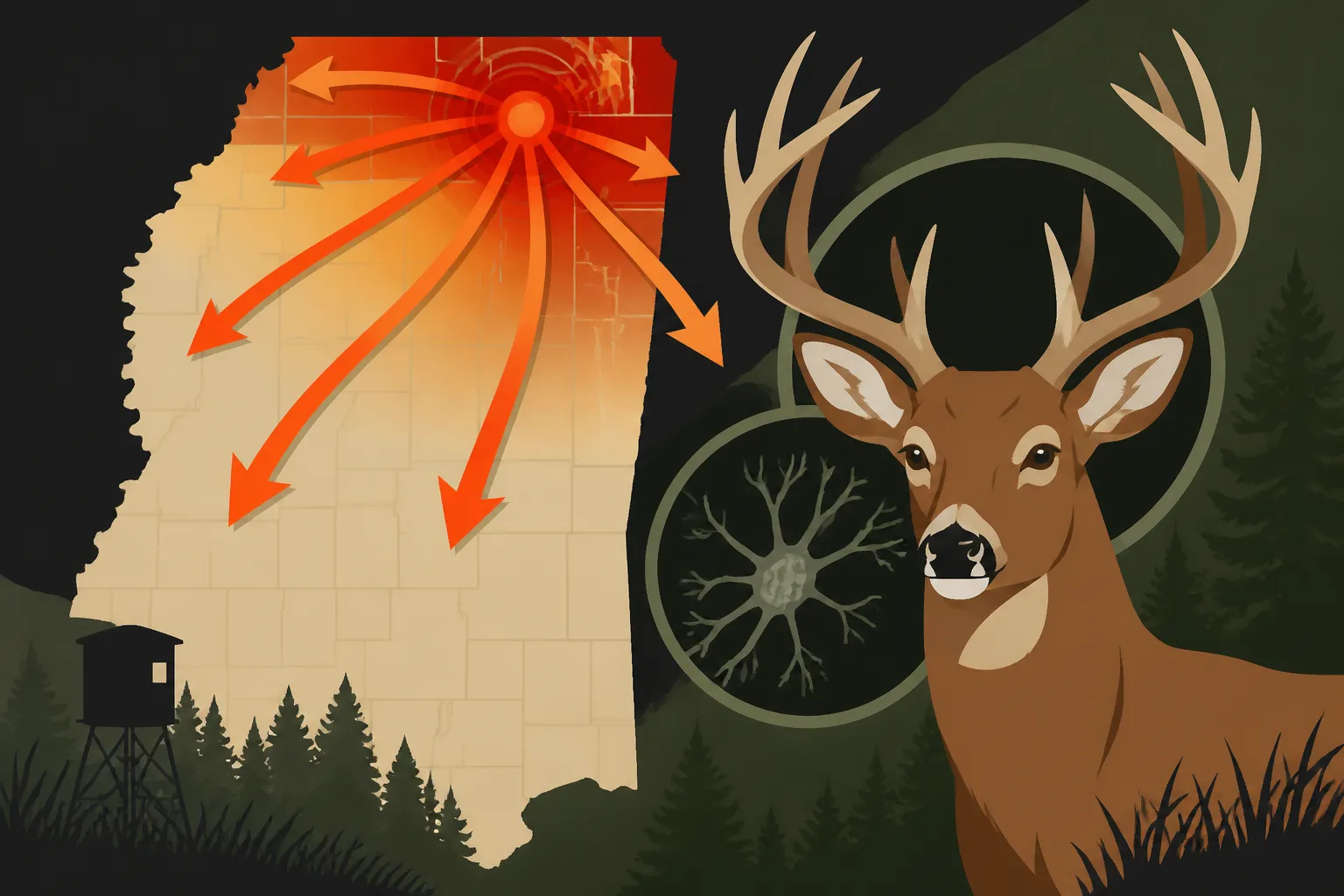
Another possibility, though less likely for the initial introduction, is the illegal transport of live deer or infected carcass parts by hunters from CWD-endemic regions into Mississippi. While regulations are in place to prevent this, it's always a potential vector for disease spread. Once the disease established a foothold in Benton County, it began to spread locally through the deer population. The initial pattern of positive detections tended to cluster around the original case, slowly radiating outward into adjacent areas. This localized spread is driven by the natural interactions of deer and the environmental persistence of prions, making early containment efforts a race against time, often with an invisible enemy.
Factors Contributing to CWD's Spread in North Mississippi
Understanding how CWD moves is one thing, but truly grasping its spread in North Mississippi requires us to look at the specific environmental and behavioral factors that accelerate its reach. It’s a combination of natural deer tendencies and, unfortunately, some human-driven activities that have unwittingly created ideal conditions for this disease to flourish.
Deer Population Density and Movement
North Mississippi, particularly some of the agricultural areas, boasts a healthy deer population. While a robust deer herd is generally a sign of good habitat and successful management, high deer densities can unfortunately act as a superhighway for CWD transmission. When more deer are packed into a given area, the chances of direct contact – nose-to-nose, licking, sharing feed sites – skyrocket. This constant interaction is exactly what prions need to jump from one animal to the next.
Deer also aren't static creatures; they move, and sometimes they move quite a bit. Bucks, in particular, during the frenetic period of the rut, will travel extensive distances in search of does, potentially carrying prions into new territories. Younger deer, as they disperse from their birth ranges to establish their own territories, can also unknowingly transport the disease. These natural movements, combined with fragmented habitats that might funnel deer into tighter corridors, contribute significantly to how far and fast CWD can spread. For a broader picture, you might be interested in the overall Mississippi Deer Population Estimate and how deer density varies across regions.
Human Activities and CWD Risk Factors
It's tough to admit, but sometimes our well-intentioned or traditional hunting practices can inadvertently contribute to CWD spread. In North Mississippi, certain common activities have raised red flags for wildlife managers.
One of the most significant human-related risk factors is baiting. While deeply ingrained in many hunters' traditions, concentrating deer at bait sites – whether corn, mineral blocks, or food plots – dramatically increases direct nose-to-nose contact and the deposition of infectious prions in a small, localized area. This effectively turns a bait pile into a CWD hot spot, facilitating the jump from infected to healthy animals. While Mississippi has statewide regulations against baiting on public lands, private land rules vary, and the disease doesn't distinguish between property lines.
Another critical factor is the movement of deer carcasses. Hunters, after a successful hunt, often transport their deer home for processing. If that deer is infected, and the hunter unknowingly takes it out of a CWD zone before testing, brain, spinal cord, lymph node tissue, or even residual blood and fluids can contaminate a new area. This is why the MDWFP has implemented strict carcass movement restrictions in CWD management zones. Knowing these rules is crucial, and understanding details like Moving a Deer Carcass Out of a CWD Zone is part of being a responsible hunter. Resources like GoHunt are excellent for staying up-to-date on regulations as they evolve, helping you make informed decisions about your hunt.
Environmental Persistence of Prions
Imagine a disease agent that doesn't break down easily in nature. That's the prion that causes CWD. Unlike viruses or bacteria, prions are incredibly robust and resilient to environmental factors like heat, cold, UV radiation, and even many disinfectants. This environmental persistence is a game-changer when it comes to disease management.
Once an infected deer sheds prions through saliva, urine, or feces, or if an infected carcass decomposes in the environment, those prions can bind to various soil types, particularly clay soils, and persist there for years, potentially even decades. This means that a CWD hot spot isn't just about the deer currently present; it's about the very ground becoming contaminated. Healthy deer can then ingest these prions while grazing or rooting for food, becoming infected themselves without ever having direct contact with another sick animal. This long-term environmental reservoir makes CWD incredibly challenging to eradicate and necessitates ongoing surveillance and management efforts, even in areas where infected deer might not have been detected recently.
The Establishment of CWD Management Zones in North Mississippi
When CWD was confirmed in Benton County, it wasn't just a discovery; it was a call to action. The MDWFP, along with wildlife agencies across the country, knows that proactive management, though often challenging and unpopular, is the only way to try and slow this disease. One of the most significant steps taken was the establishment of CWD Management Zones.
Defining the North CWD Zone
The process of defining a CWD Management Zone (CMZ) is methodical and driven by the science of disease epidemiology. Once a CWD-positive deer is detected, MDWFP biologists quickly work to identify a geographic area around that detection point where they believe the disease could be present and spreading. This involves mapping deer movement patterns, habitat features, and the locations of any subsequent positive cases.
Initially, after the first case, Benton County was the primary focus, but as more CWD-positive deer were identified in surrounding counties, the North CWD Zone expanded. Today, the North Zone encompasses a significant portion of northern Mississippi, including counties like Benton, Marshall, Tippah, Lafayette, Alcorn, and others, extending its reach as new cases emerge. You can find a complete list of the counties included in the zone by looking up Which Eleven Counties Sit in the North CWD Zone and reviewing the official MDWFP CWD map. The primary goal of establishing these zones is clear: to contain the disease as much as possible, prevent its spread to uninfected areas, and manage its prevalence within the established zones. This requires a comprehensive set of regulations, and every hunter needs to be aware of the specific rules that apply to their hunting grounds. For an overall picture of these areas, checking Mississippi's Chronic Wasting Disease Zones is a good practice.
Mandatory Testing and Carcass Restrictions
Hunting within a CWD Management Zone comes with additional responsibilities, particularly concerning mandatory testing and carcass handling. These rules are not arbitrary; they are critical tools in the MDWFP's arsenal to monitor the disease, understand its prevalence, and prevent its further spread.
Inside a CWD zone, depending on the current regulations and the specific area, hunters may be required to submit their harvested deer for CWD testing. This isn't just encouraged; it's mandatory during certain periods or for specific deer. This helps the MDWFP gather crucial data on the disease's distribution and prevalence. Knowing the requirements for Mandatory Testing Inside a Mississippi CWD Zone is essential before you even head to the woods.
Equally important are the carcass movement restrictions. To prevent hunters from inadvertently spreading prions to uninfected areas, strict rules dictate what parts of a deer harvested in a CWD zone can be transported out of that zone. Generally, only deboned meat, antlers (with or without skull plate), hides, and clean skull plates are permitted to leave. The brain, spinal column, lymph nodes, and other potentially infectious tissues must be left behind, typically at the harvest site or disposed of in designated CWD disposal bins. This means if you harvest a deer in one of these zones, you should be prepared to process it within the zone or take it to an approved processor who knows the rules. The MDWFP provides clear guidance and locations for CWD sampling, making it easier for hunters to comply. You can easily find information on Finding a Mississippi CWD Sampling Location on the MDWFP website. These efforts, while sometimes inconvenient, are vital for the long-term health of Mississippi's deer herd.
Ongoing Monitoring, Challenges, and Hunter Responsibilities
The fight against CWD is a long-term commitment, not a one-time battle. The MDWFP and the hunting community in Mississippi are engaged in continuous monitoring, adapting to new challenges, and shouldering significant responsibilities to manage this persistent threat.
MDWFP's Surveillance and Research Efforts
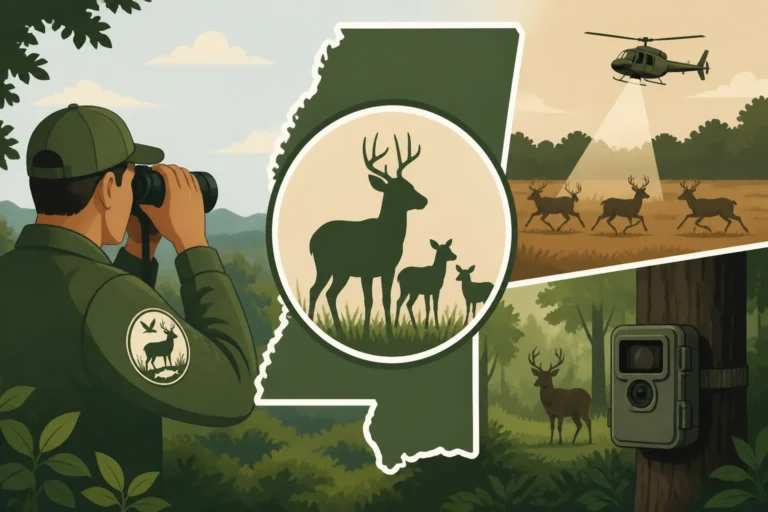
The Mississippi Department of Wildlife, Fisheries, and Parks isn't just reacting to CWD; they are actively working to understand and manage it through robust surveillance and research. This means ongoing sampling of harvested deer across the state, with a particular focus on the CWD management zones. During deer season, you'll often find MDWFP staff and volunteers at check stations or drop-off points, collecting samples from hunter-harvested deer. This continuous data collection is vital for tracking the disease's prevalence and geographic spread.
The MDWFP also collaborates with universities, national wildlife health organizations, and neighboring states to share data and research findings. These partnerships help us understand everything from the genetic susceptibility of Mississippi deer to CWD to the most effective management strategies. They also analyze information like the overall Mississippi's CWD Case Count by Zone to direct resources where they are most needed. The sheer scale of this testing is immense, with thousands of samples collected and processed each year. For a broader perspective on the total cases, you can look into How Many Deer Have Tested CWD-Positive Since 2018. This dedication to science-based management is our best defense against CWD.
Hunter Education and CWD Management Success
Ultimately, the success of CWD management in Mississippi hinges significantly on the informed participation of the hunting community. We are the boots on the ground, the eyes and ears of the woods, and our actions can either help slow the spread or inadvertently accelerate it. This is why hunter education is paramount.
The MDWFP invests heavily in educating hunters about CWD, its risks, and the regulations in place. This includes online resources, public meetings, and informational materials at check stations. Hunters are encouraged to familiarize themselves with the CWD zones, understand the mandatory testing requirements, and, crucially, practice proper carcass handling and disposal. This means knowing what parts of a deer can and cannot be moved out of a CWD zone and utilizing designated disposal sites.
Responsible hunters avoid baiting in CWD-positive areas, as this concentrates deer and increases transmission risk. They also report any deer exhibiting CWD-like symptoms to the MDWFP. Platforms like GoHunt can be incredibly useful for quickly checking the latest regulations and CWD updates before you head out, ensuring you're always hunting legally and responsibly. It’s a collective effort, and every hunter who adheres to these guidelines contributes directly to the long-term health of our deer herd and the preservation of our hunting heritage.
Implications for North Mississippi Deer Hunting
The presence of CWD in North Mississippi isn't just a biological problem; it has tangible impacts on how we hunt, manage our deer, and even how we view our harvest. These implications require adaptation and understanding from every hunter.
Impact on Deer Harvest and Management Strategies
One of the most immediate and significant implications of CWD is the way it shapes deer harvest strategies and overall management plans in affected areas. In CWD management zones, the MDWFP often adjusts traditional regulations to help mitigate the disease's spread and impact.
This can include alterations to bag limits, particularly encouraging a higher harvest of antlerless deer. The rationale here is to reduce overall deer density in an attempt to lessen direct deer-to-deer contact, which is a primary mode of transmission. By reducing the number of deer in a specific area, the hope is to slow the rate at which the disease spreads. You might also see changes in season lengths or specific weapon restrictions designed to meet these new management objectives.
While hunters naturally focus on trophy opportunities, CWD management shifts the focus more towards herd health. This might mean that in localized areas heavily impacted by CWD, the prospects for consistently harvesting large, older bucks could diminish as the disease takes its toll on the population's age structure and overall health. Adapting to these changes, understanding the biological reasons behind them, and complying with new rules is crucial for the long-term health of our deer herd. This means hunters need to stay current on their Mississippi Deer Reporting Requirements to assist with accurate data collection.
Safety and Consumption Guidelines for Hunters
A major concern for hunters, understandably, revolves around the safety of consuming venison from CWD-positive areas. While there is currently no conclusive scientific evidence that CWD can spread to humans, the Centers for Disease Control and Prevention (CDC) and other public health agencies recommend extreme caution.
For deer harvested within a CWD management zone, especially in North Mississippi where the disease is prevalent, it is strongly recommended that the animal be tested for CWD before the meat is consumed. Many hunters will wait for negative test results before processing or eating the venison. If a deer tests positive, the recommendation is to not consume the meat. This might feel like a frustrating loss, but it's a critical safety measure.
Beyond testing, hunters should follow specific guidelines when field dressing and processing deer, regardless of whether they are in a CWD zone. Always wear gloves when handling deer, and minimize contact with brain, spinal cord, spleen, and lymph node tissues, as these are the areas where prions concentrate most. Avoid using household knives and cutting boards for deer processing that are also used for domestic food preparation. These precautions help prevent any potential exposure and maintain peace of mind. Keeping an eye on publications from the MDWFP is the best way to get the most up-to-date information on this evolving topic.
CWD Management Actions in North Mississippi
To combat the spread of Chronic Wasting Disease, the Mississippi Department of Wildlife, Fisheries, and Parks has implemented several key management actions, particularly within the designated CWD Management Zones in North Mississippi. These actions are designed to monitor, contain, and slow the progression of the disease.
| Action Category | Specific Action | Rationale | Hunter Impact |
|---|---|---|---|
| Surveillance & Testing | Mandatory CWD Sample Collection | Tracks disease prevalence, identifies new positive cases, and maps geographic spread. | Hunters in CMZs must submit samples; often done at check stations or drop-off points. |
| Voluntary Deer Harvest Reporting | Provides crucial data on harvest numbers, effort, and deer health across the state. | Encouraged for all hunters; provides valuable data for MDWFP. | |
| Carcass Movement | Carcass Export Restrictions | Prevents the physical movement of infectious prions out of a CWD zone into uninfected areas. | Only deboned meat, clean skull plates, antlers, and hides can leave CMZs. |
| Designated Carcass Disposal Sites | Provides a safe, controlled way for hunters to dispose of high-risk tissues within the CWD zone. | Hunters must use specific bins or sites for disposal of certain carcass parts. | |
| Herd Management | Increased Antlerless Deer Harvest | Reduces overall deer density to decrease direct deer-to-deer contact and slow transmission rates. | Potential for increased doe tags or extended antlerless seasons in CMZs. |
| Prohibition of Supplemental Feeding & Baiting* | Prevents the concentration of deer at specific sites, which facilitates direct contact and prion exchange. | Illegal to bait or feed deer in designated CMZs, potentially altering long-standing hunting methods. | |
| Education & Outreach | Hunter Information & Workshops | Informs hunters about CWD risks, regulations, proper carcass handling, and how to report symptomatic deer. | Encourages informed participation and responsible hunting practices. |
Note: Check current MDWFP regulations for precise details on supplemental feeding and baiting rules, as these can be updated regularly within CWD Management Zones.
Disclaimer
The information provided in this guide is intended for educational purposes and general guidance only. Hunting regulations, CWD management zones, and public health recommendations are subject to change. Always consult the official Mississippi Department of Wildlife, Fisheries, and Parks (MDWFP) website or contact their offices directly for the most current and accurate information before participating in any hunting activities. Hunters are responsible for knowing and adhering to all applicable laws and regulations.