Vetting a Mississippi Outfitter Before You Book
Choosing a hunting outfitter in Mississippi can feel like navigating a swamp in the dark – exciting, but fraught with hidden obstacles and the potential for a disappointing outcome. Many hunters pour their hard-earned money and precious vacation time into what they hope will be a memorable experience, only to find themselves stuck with an operation that falls short of expectations, or worse, is outright shady. This comprehensive guide is here to shine a light on the process, helping you meticulously vet any prospective Mississippi outfitter so you can book your next hunting adventure with confidence and clear expectations.
Why Meticulous Vetting is Non-Negotiable for Your Mississippi Hunt
When you're planning a hunting trip, especially to a state like Mississippi known for its incredible deer, turkey, and waterfowl opportunities, you're not just booking a service; you're investing in an experience. This isn't like picking a hotel where a bad night just means a mediocre sleep. A poor outfitter choice can lead to wasted money, a blown vacation, and the bitter taste of a hunt that never quite lived up to the dream. That's why taking the time to thoroughly vet your options is paramount.
The Significant Financial Investment at Stake
Let's be real, guided hunts aren't cheap. Whether you're looking for a trophy whitetail hunt in the Delta or a flooded timber duck experience, you're looking at a substantial sum. These costs cover everything from guide fees and lodging to meals and access to prime hunting ground. Imagine dropping a significant chunk of change – potentially thousands of dollars – only to arrive and find the camp is rundown, the guides are inexperienced, or the hunting land is overpressured. It's a tough pill to swallow, and it's a frustration many hunters have unfortunately faced. Understanding What a Guided Mississippi Deer Hunt Costs or Booking a Delta Duck Lodge gives you a baseline, but vetting ensures you get value for that investment.
For instance, you might book an "all-inclusive" deer hunt, expecting gourmet meals and comfortable beds, only to discover the lodge is a leaky cabin and dinner is canned chili. Or you might pay a premium for a "trophy buck" hunt, but the only deer you see are yearlings because the outfitter consistently over-harvests or lacks proper game management. This isn't just about losing money; it's about the feeling of being taken advantage of, which can sour future hunting endeavors.
Time and Opportunity Cost: More Than Just Money
Beyond the financial hit, there's the invaluable cost of your time. Many of us get only a limited number of days off work each year for hunting. Missing out on a quality hunting experience because of a bad outfitter means those precious days are gone, and you can't get them back. It also means you missed the opportunity to hunt with a good outfitter, or to pursue a self-guided trip that might have been more rewarding.
Think about it: you've spent months looking forward to your Bowhunting Mississippi's Long Archery Season trip. You've practiced with your bow, tuned your broadheads, and driven hundreds of miles. To arrive and find the outfitter double-booked, or that the stands are poorly maintained and placed in unproductive areas, isn't just annoying – it's heartbreaking. That's time you could have spent making memories, filling your freezer, or pursuing a buck of a lifetime. The ripple effect can extend to your family life too, as they often make sacrifices for your hunting pursuits.
Safety and Ethical Concerns on the Hunting Ground
While less common, safety should always be a top priority. An irresponsible outfitter might cut corners on safety protocols, leading to dangerous situations. This could involve poorly maintained ATVs, unsafe treestand setups, or guides who aren't properly trained in first aid or emergency procedures. Beyond physical safety, there's the ethical side of hunting. A good outfitter operates legally and ethically, adhering to all state regulations and promoting fair chase principles.
Unfortunately, some operations might bend the rules, putting you at risk of fines or legal trouble. For example, they might promise hunts outside legal hours, or encourage unethical practices like baiting in areas where it's prohibited, or exceeding bag limits. Mississippi has specific regulations for everything from Mississippi Feral Hog Regulations to Mississippi Deer Season Structure Explained, and a reputable outfitter will not only know these rules inside and out but will strictly adhere to them. Your guide should be a steward of the land and the game, not someone who prioritizes a quick dollar over conservation and responsible hunting.
The Initial Search: Where to Begin Your Outfitter Quest
The hunting world is vast, and finding the right outfitter can feel like an overwhelming task. Before you even think about picking up the phone, you need a strategy for where to start looking. Different avenues offer different advantages, and often, combining a few approaches will give you the most comprehensive list of potential guides.
Leveraging Online Directories and Search Engines
In today's digital age, your first stop will likely be online. Websites like BookYourHunt and GoHunt are popular platforms that aggregate outfitters from across the country, including those operating in Mississippi. These sites can be excellent starting points, offering filters for species, dates, and hunt types. They often feature reviews from past clients, which can provide initial insights. However, remember that these platforms are essentially marketplaces; while they aim for credibility, always verify information independently.
When using a general search engine, try specific queries like "Mississippi deer outfitter," "Delta duck hunting guide," or "Mississippi turkey hunts." Be prepared to dig past the first page of results, as many excellent smaller operations might not have the biggest marketing budgets. Look for outfitters with professional websites that clearly outline their services, pricing structures (even if general, like What a Guided Mississippi Turkey Hunt Costs), and contact information. Be wary of sites that are overly flashy but lacking in substance or specific details.
Word-of-Mouth Referrals and Online Forums
There's an old saying in hunting: "The best hunts are found through friends." Word-of-mouth referrals from trusted hunting buddies, family members, or fellow club members are incredibly valuable. These recommendations often come with personal anecdotes, insights into the guide's personality, and a realistic expectation of success. If a friend had a phenomenal experience, they'll be eager to share the details, and you can often get a direct introduction.
Beyond your immediate circle, online hunting forums and social media groups dedicated to Mississippi hunting can be goldmines of information. Post a question asking for recommendations or experiences with specific outfitters. You'll often find a community eager to share both positive and negative experiences. However, exercise caution: always take anonymous online reviews with a grain of salt. Look for consistent themes, both good and bad, across multiple reviews rather than relying on a single glowing or scathing report. It's a great way to discover operations that might not show up on commercial booking sites.
Tapping into Mississippi-Specific Hunting Resources
For the most localized and potentially reliable information, turn to Mississippi-specific resources. The Mississippi Department of Wildlife, Fisheries, and Parks (MDWFP) website is a crucial resource for regulations, season dates, and public lands, and sometimes they may have a list or directory of licensed guides, or at least information on how to verify licenses. Local conservation organizations, hunting clubs (like those discussed in Joining a Mississippi Hunting Club), and even local chambers of commerce in hunting hotspots can often provide recommendations or insights into reputable outfitters in their area.
Consider reaching out to local sporting goods stores or bait shops near your desired hunting area. These are often hubs for local hunters and guides, and the folks behind the counter usually have their finger on the pulse of who's running a good operation and who isn't. They can often provide unbiased opinions because their business isn't directly tied to the outfitter's success. For instance, if you're looking for a duck guide in the Delta, a visit to a hardware store in Mound Bayou or Rolling Fork might yield some excellent local contacts.
Essential Questions to Ask Before You Book
Once you've narrowed down a few potential outfitters, it's time to get on the phone or send those emails. This is where you become an investigative journalist, and no question is too small. Having a prepared list of questions will ensure you cover all your bases and don't forget crucial details in the excitement of planning your trip.
Verifying Licenses, Insurance, and Legal Standing
First and foremost, you need to ensure the outfitter is legitimate and operating within the law. This protects both you and the outfitter. Ask for proof of their relevant business licenses and permits. While Mississippi doesn't have a statewide "outfitter license" in the same way some western states do, guides should certainly be operating as a legitimate business, and any individuals directly guiding should have appropriate hunting licenses for themselves.
Inquire about liability insurance. This is incredibly important for your safety and peace of mind. A reputable outfitter will carry commercial liability insurance, which covers accidents that might occur during the hunt. Don't be shy about asking for proof or asking for the insurance provider's name. A legitimate outfitter will have no problem providing this. Also, confirm they are operating legally on the land they advertise, whether it's private land with explicit permission or lease agreements, or public land where guided services are permitted, and they hold the necessary Mississippi WMA Permit Requirement if applicable.
| Question Category | Specific Questions to Ask | Why It Matters |
|---|---|---|
| Legitimacy | Are you a licensed business in Mississippi? | Ensures legal operation and accountability. |
| Do you carry commercial liability insurance? Can I see proof? | Protects you in case of an accident or injury. | |
| How do you ensure legal access to the hunting property? | Confirms the outfitter has valid permission or lease for the land. | |
| Do your guides possess valid Mississippi hunting licenses? | Basic legal requirement for all hunters, including guides. | |
| Hunt Logistics | What are the exact dates and duration of the hunt? | Avoids misunderstandings about arrival/departure and hunting days. |
| What species are we targeting, and what are the bag limits? | Confirms species availability and adheres to Mississippi Deer Bag Limit Rules. | |
| What is the typical daily schedule? (e.g., wake-up, hunt times) | Helps you prepare and understand the pace of the hunt. | |
| What kind of stands/blinds do you primarily use? | Prepares you for the hunting setup (e.g., Treestand Setups in Delta National Forest). | |
| What is the guide-to-hunter ratio? | Indicates the level of personalized attention you'll receive. | |
| What equipment should I bring (weapons, clothing, gear)? | Ensures you are properly prepared for Mississippi weather and hunting style. | |
| Game Management | What are your typical success rates for the target species? | Provides a realistic expectation (but remember, it's hunting!). |
| What are your antler or size restrictions for deer/turkey? | Important for ethical hunting and managing expectations for trophy potential. | |
| How do you manage your hunting properties for game quality? | Shows commitment to sustainable hunting and healthy populations. | |
| What are your policies regarding Chronic Wasting Disease (CWD)? | Crucial, especially if hunting in Mississippi’s Chronic Wasting Disease Zones. | |
| Costs & Payments | What is the total cost, and what exactly is included? | Clear understanding of the full price and what amenities are covered. |
| What is your deposit requirement and payment schedule? | Crucial for budgeting and financial planning. | |
| What are your cancellation and refund policies? | Protects your investment in case you need to cancel. | |
| Are there any additional fees (e.g., licenses, processing, tips)? | Avoids surprise costs at the end of the hunt (e.g., Tipping Guides and Dog Handlers). | |
| Accommodation | What kind of lodging is provided? (photos, amenities) | Ensures comfort and helps you know what to expect. |
| Are meals included? What type of food can I expect? | Important for dietary needs and overall comfort. | |
| Do you accommodate dietary restrictions or special needs? | Ensures a comfortable stay for all hunters. |
Understanding Hunt Logistics, Expectations, and Success Rates
This is where you dive into the nitty-gritty of the hunt itself. Don't be afraid to ask for a typical day's schedule. What time do you wake up? When do you head out? How long do you sit? What happens at midday? These details help you understand the pace and style of the hunt. Ask about the type of hunting: are you sitting in box blinds over food plots, still-hunting through river bottoms, or doing Deer Drives With Three or Four Hunters? The more detail, the better.
Crucially, inquire about "success rates" and "harvest rates." Be wary of outfitters who guarantee a kill or promise unrealistically high success. Hunting is hunting; there are no guarantees. A reputable outfitter will provide realistic expectations, often talking about opportunity rates (how many shot opportunities hunters typically get) rather than claiming 100% harvest. Ask about the guide-to-hunter ratio – a lower ratio usually means more personalized attention. For specific hunts, ask about unique aspects, like Flooded Timber Guide Services for ducks, or what their strategy is for Calling a Mississippi Gobbler Off the Roost for turkey. Make sure to confirm what caliber of game they generally target, especially for deer, to align with your expectations, such as if they adhere to Delta Unit Twelve-Inch Spread Rule Explained or Hills Unit Ten-Inch Spread Rule Explained.
Discussing Trophy Care and Game Processing
After the shot, the work isn't over. How your game is handled is just as important as the hunt itself. Ask about their policies for field dressing, caping, and quartering game. Do they provide these services, or is it something you're expected to do yourself? Many outfitters offer initial processing to get the animal ready for transport or further processing.
Inquire about cold storage options for your game, especially important in Mississippi's warmer climate. Do they have a walk-in cooler? If you plan to have your trophy mounted, ask about their relationship with local taxidermists and if they can arrange for caping and freezing for later shipment. Similarly, for meat, find out if they work with a local butcher or if you'll need to arrange that yourself. Shipping game meat home can be a logistical challenge, so discuss those options beforehand. Remember, handling game properly is critical, particularly if you're hunting in a Mississippi's Chronic Wasting Disease Zones, where special precautions and testing may be required.
Understanding Contracts, Deposits, and Cancellation Policies
The financial side of booking an outfitter can be complex, and it’s often where misunderstandings or frustrations arise. A clear, written agreement is your best friend. Don't ever book a hunt without one. It outlines what's expected of both parties and helps prevent unpleasant surprises down the road.
Deciphering Deposit Structures and Payment Schedules
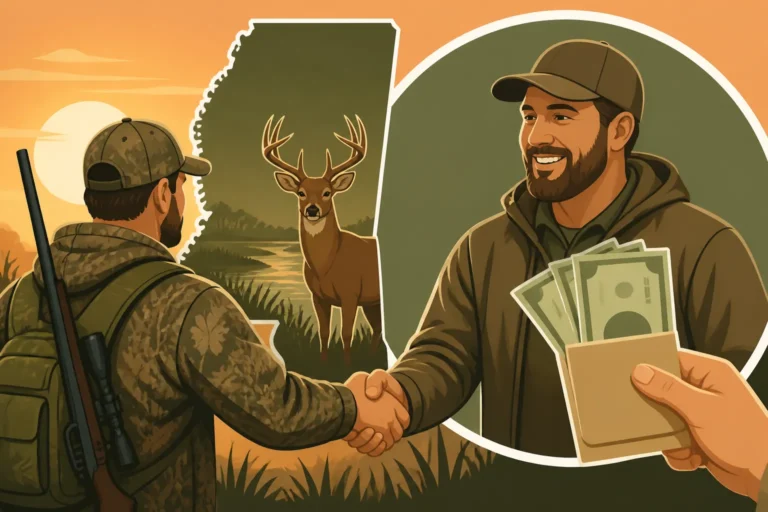
Most outfitters require a non-refundable deposit to secure your hunting dates. This is standard practice, as it protects their booking schedule and ensures serious inquiries. However, the amount and terms can vary. Ask for the exact deposit amount and when the final balance is due. Is it 30, 60, or 90 days before the hunt? Make sure you understand these deadlines so you don't accidentally forfeit your spot or deposit.
Beyond the initial deposit, ask about the accepted payment methods. Do they take credit cards, or is it check or wire transfer only? For larger sums, credit card payments can offer some consumer protection, but they may come with a processing fee. Be wary of any outfitter who demands cash only or requires payments through unconventional means. A transparent outfitter will have clear, professional payment processes. You might compare these details with common structures seen in What a Mississippi Deer Hunt Package Includes to ensure you're getting a standard offering.
Navigating Cancellation and Refund Policies
Life happens, and sometimes, despite your best intentions, you might need to cancel a hunt. This is where a clear cancellation policy is crucial. Ask about it upfront and get it in writing. What happens if you cancel? Do you forfeit your entire deposit? Is there a partial refund if you cancel far enough in advance? What if they have to cancel due to unforeseen circumstances (e.g., severe weather, guide illness, land access issues)?
A fair policy will often offer to rebook you for a later date or a credit towards a future hunt if the cancellation is due to the outfitter's issues or acts of nature that make the hunt impossible or unsafe. Some outfitters might recommend travel or cancellation insurance, which can be a wise investment for costly trips. This information is vital and should be prominently featured in their contract, as detailed in Questions to Ask Before Paying a Mississippi Deposit. Don't assume anything; clarify every "what if" scenario to avoid heartbreak and financial loss.
The Importance of a Comprehensive Written Agreement
Never, under any circumstances, book a guided hunt without a written contract. This document is your protection and clarifies all expectations. It should detail:
- Hunt Dates and Duration: Exact start and end times.
- Species and Bag Limits: What you're hunting and how many you can harvest.
- Included Services: Lodging, meals, guides, field dressing, transportation during the hunt.
- Excluded Costs: Licenses, tips, meat processing, taxidermy, travel to the lodge.
- Total Cost and Payment Schedule: All financial obligations.
- Cancellation and Refund Policy: Clear terms for all scenarios.
- Liability Waiver: Standard for hunting operations, acknowledging inherent risks.
Read every single line of this contract before you sign. If anything is unclear, ask for clarification. If something was promised verbally but isn't in the contract, insist that it be added in writing. A legitimate outfitter will appreciate your thoroughness and will be happy to provide a clear, detailed agreement. This is your chance to ensure everything discussed, from Lodge Accommodation and Meals to specific hunt tactics, is officially on the record.
Evaluating an Outfitter's Reputation and References
Once you've got the logistical details and contract squared away, it's time to dig into the outfitter's track record. A shiny website and smooth sales pitch are one thing; consistent client satisfaction and ethical operations are another. This step involves a bit of detective work, but it's essential for peace of mind.
Scouring Online Reviews and Testimonials
Start by looking beyond the testimonials prominently displayed on the outfitter's own website – those are, understandably, always positive. Search for independent reviews on platforms like Google Business, Facebook, Yelp, and dedicated hunting forums. Pay attention to the overall sentiment, but also look for recurring themes. Are multiple people praising the guide's expertise or the quality of the food? Or are several complaints about disorganization, broken promises, or subpar accommodations?
Keep an eye out for how the outfitter responds to reviews, both positive and negative. A professional outfitter will engage respectfully, addressing concerns and thanking satisfied clients. A defensive or aggressive response to criticism can be a red flag. Also, remember that a single bad review doesn't necessarily mean a bad operation, especially if it's an isolated incident amidst a sea of positives. It's about the pattern. Platforms like BookYourHunt or GoHunt often have dedicated sections for client reviews, which can be a good starting point, but always try to cross-reference with other sources.
Requesting Client References: A Direct Line to Past Experiences
A reputable outfitter will always be willing to provide a list of recent client references. Ask for at least three to five names and contact information, and make sure they are from hunters who participated in the same type of hunt you're considering, ideally within the last year or two. Don't just collect the names; actually call them! This is arguably the most crucial step in vetting.
When you call, here are some questions to ask:
- How accurately did the outfitter describe the hunt and the facilities?
- What was the guide's professionalism and knowledge like?
- Did they feel safe and well-cared for?
- Was the food and lodging as advertised?
- Were there any unexpected costs or issues?
- Would they hunt with this outfitter again? Why or why not?
- What was the biggest challenge or disappointment, if any?
- Did they successfully harvest an animal, and if not, did they have opportunities?
Listen carefully to their answers. Be wary if an outfitter refuses to provide references or only offers names from several years ago. A truly confident outfitter wants you to talk to their happy clients. These conversations are invaluable, offering insights that no website can convey, as highlighted in Getting References From Past Mississippi Clients.
Verifying Land Access and Game Management Practices
Understanding how an outfitter manages their land and game is crucial for gauging long-term success and ethical practices. Ask about the size of their hunting property and whether it's owned, leased, or a combination. Inquire about their game management philosophy. Do they implement antler restrictions (common in Mississippi with units like the Delta or Hills) or harvest quotas to promote healthier herds? For deer, how do they ensure Mississippi Buck Age Structure? For turkeys, what are their thoughts on Poult-to-Hen Ratios and What They Mean?
Ask about food plot programs, timber management, and predator control efforts. These details indicate a commitment to quality habitat and sustainable hunting, not just chasing a quick buck. A good outfitter invests in their land and takes pride in their stewardship. For waterfowl, ask about water management for flooded timber or fields, and what they do to keep birds coming back year after year, especially when considering Hunting Greentree Reservoirs for Mallards. If they hunt public land, ask how they manage pressure and scouting, which might include specific tactics for Finding Ground Others Walk Past on a WMA.
What to Expect from a Quality Mississippi Outfitter
When you choose a top-tier Mississippi outfitter, you're not just buying a hunt; you're buying a professional, safe, and enjoyable experience. Knowing what to expect from a quality operation helps you recognize excellence and avoid disappointment.
Guide Professionalism and Experience on the Ground
A great guide is the heart of a successful hunt. You should expect your guide to be knowledgeable about the local terrain, game habits, and regulations. They should be professional, courteous, and patient, especially if you're a less experienced hunter. They should prioritize your safety above all else, from ensuring safe firearm handling to properly setting up stands.
A professional guide will be proactive in scouting, putting in the work before you even arrive. They'll know the current patterns of White-Tailed Deer Across Mississippi, where Wild Turkeys in Mississippi are roosting, or where Mississippi Waterfowl on the Mississippi Flyway are currently feeding. They'll adapt to changing conditions like weather or game movement, not just stick to a rigid plan that isn't working. They'll also be realistic about expectations, celebrating your successes and commiserating with you when things don't go your way. A good guide doesn't just put you on game; they enhance the entire experience, teaching you, sharing stories, and making you feel like a friend.
Comfortable Lodge Amenities and Delicious Meals
While you're there to hunt, the time spent at the lodge is a significant part of the experience. Expect clean, comfortable accommodations. This doesn't necessarily mean luxury, but it should be well-maintained, warm in winter, and cool in warmer weather. Beds should be comfortable, and common areas should be inviting. Many Mississippi lodges have a cozy, rustic charm that perfectly complements the hunting experience.
Meals should be hearty and delicious, fueling you for long days in the field. Many outfitters pride themselves on their camp cooking, often featuring Southern comfort food or regional specialties. Ask about meal times and if snacks or drinks are provided for the field. If you have dietary restrictions, a quality outfitter will be able to accommodate them if notified in advance. Good food and a comfortable place to relax after a challenging day in the woods or marsh can truly make or break the non-hunting aspects of your trip, as often discussed in Mississippi Deer Camp Traditions.
Transparent Pre-Hunt Communication and Preparation
Excellent communication begins long before you arrive at camp. A quality outfitter will provide you with all the necessary information to prepare for your trip. This includes a detailed packing list (clothing, gear, weapon requirements), directions to the lodge, important dates and times, and any forms you need to complete. They should also inform you about specific license requirements, advising you on what Mississippi Hunting Licenses and What They Cost and which permits you'll need, like a Mississippi Wild Turkey Stamp or Mississippi Federal Duck Stamp Requirement.
They should be readily available to answer any questions you have leading up to the hunt. This might involve emails, phone calls, or even video conferences. This proactive communication demonstrates their organization and commitment to ensuring you have a smooth and worry-free experience from the moment you book until you depart. This level of engagement significantly reduces pre-hunt anxiety and helps you focus on the excitement of the upcoming adventure.
Red Flags and Warning Signs to Watch Out For
Just as there are signs of a great outfitter, there are definite red flags that should make you pump the brakes. Trust your gut; if something feels off, it probably is. Being aware of these warning signs can save you a lot of grief and money.
Lack of Transparency or Evasiveness in Communication
This is one of the biggest warning signs. If an outfitter is vague about details, avoids specific questions, or seems reluctant to provide information, proceed with extreme caution. This could involve being evasive about their hunting property, refusing to discuss their guides' experience, or being unclear about what's included in the price. They should be upfront about everything, from Mississippi CWD Testing for Hunters if hunting in a CWD zone, to their specific hunt methods.
For example, if you ask about the size of their hunting lease or how many hunters they take at a time, and they give you non-answers or try to change the subject, that's a problem. Similarly, if their website is filled with generic stock photos rather than actual images of their lodge, guides, or harvested animals, it might indicate they have something to hide. A legitimate business has nothing to fear from transparency.
Unrealistic Promises and Guaranteed Success Claims
As we discussed, hunting offers no guarantees. Any outfitter who guarantees a kill, especially a trophy animal, is almost certainly being dishonest. This is a common tactic used to lure inexperienced hunters. They might say things like "You're guaranteed a Pope and Young buck" or "Everyone fills their limit on ducks." This just isn't realistic in fair-chase hunting.
Be highly suspicious of any operation that uses these kinds of overly aggressive or unrealistic promises. A reputable outfitter will focus on providing a quality experience and maximizing opportunity, not guaranteeing a harvest. They understand that success in hunting depends on many factors beyond their control, including weather, game movement, and hunter skill. This kind of promise is a huge Red Flags When Booking in Mississippi and should make you immediately look elsewhere.
Pressure Tactics and Immediate Booking Demands
Another significant red flag is an outfitter who tries to pressure you into booking immediately. This often comes with lines like, "This is the last spot available!" or "You need to book right now before someone else takes it!" While good outfitters do book up, legitimate businesses allow you time to research, ask questions, and make an informed decision without feeling rushed.
High-pressure sales tactics are designed to prevent you from doing your due diligence, such as calling references or comparing prices. Take a deep breath, politely decline the pressure, and tell them you need time to consider. If they continue to push, it's a clear sign to walk away. You're making a substantial investment; you deserve the time and space to ensure it's the right fit for you.
Post-Hunt Follow-Up and Feedback: Completing the Loop
Your interaction with an outfitter shouldn't end when you leave camp. A good relationship extends beyond the hunt itself, and your feedback can be incredibly valuable, not just for the outfitter, but for fellow hunters too.
Providing Constructive Feedback to the Outfitter
Once you've returned home and had a chance to reflect on your hunt, consider reaching out to the outfitter with your feedback. This could be a thank-you note if you had a great experience, or a more detailed email offering constructive criticism if there were areas for improvement. Be specific and polite, focusing on observable facts rather than emotional accusations.
A truly professional outfitter will welcome this feedback, whether positive or negative. They want to improve their services and ensure future client satisfaction. They might even follow up with you to discuss your experience. This open dialogue helps the industry as a whole, encouraging better practices and ensuring that hunters continue to have quality options for guided hunts.
Sharing Your Experience for the Benefit of Others
Just as you relied on other hunters' reviews and referrals to vet your outfitter, pay it forward by sharing your own experience. Write a review on the platforms you used for your initial search, whether it's a dedicated hunting booking site like BookYourHunt or GoHunt, a social media group, or an online forum. Be honest and fair, highlighting both the positives and any areas that could be improved.
Your detailed review can be immensely helpful to someone else in your position, trying to make an informed decision. Mention specific details: the guide's name, the type of terrain you hunted, the food, the lodging, and of course, your hunting success and the overall atmosphere. Sharing your story contributes to a more transparent hunting community where quality outfitters are rewarded, and less reputable ones are identified, helping other hunters avoid potential pitfalls. This also helps build a robust network of informed hunters, strengthening the overall hunting culture in Mississippi and beyond.
Disclaimer
This article is for general informational purposes only and does not constitute professional advice. Laws, prices and regulations vary by location and change over time. Consult a qualified professional for guidance on your specific situation.