Chronic Wasting Disease Risk in Mississippi
The news about Chronic Wasting Disease (CWD) can feel overwhelming, hitting us right where it hurts: the health of our deer herds and the future of our hunting traditions here in Mississippi. It's a scary thought, especially when you've spent a lifetime connecting with nature and providing for your family through hunting. This comprehensive guide is dedicated to demystifying CWD, exploring its presence in our state, and, most importantly, empowering you with the knowledge and practical steps to navigate this challenge effectively, ensuring we all contribute to a healthier hunting future.
Understanding Chronic Wasting Disease
Chronic Wasting Disease is one of those topics that can make any deer hunter's heart sink a little. It's a serious neurological disease that affects cervids, which include our beloved white-tailed deer, elk, moose, and caribou. Unlike bacterial or viral infections, CWD is caused by abnormal proteins called prions. These prions are incredibly resilient and can persist in the environment for a very long time, making management incredibly complex. It's not just a passing sickness; it's always fatal once an animal contracts it.
What CWD Is and How It Spreads
Imagine a misfolded protein, not unlike a bad apple, slowly turning other good apples bad. That’s a simplified way to think about how prions work. When these abnormal prions accumulate in the brain and nervous system of a deer, they cause spongy holes, leading to a host of debilitating symptoms. The most concerning aspect for us hunters and conservationists is how efficiently CWD spreads. It can move directly from animal to animal through contact with saliva, urine, and feces. But here's the real kicker: infected animals shed these prions into the environment long before they show any outward signs of being sick.
This environmental persistence means that once a spot is contaminated, it can remain a source of infection for years. Deer can pick up these prions from contaminated soil, plants, or water. Think about a favorite scrape line or a popular feeding spot – if an infected deer has been there, it could potentially leave prions behind, creating a silent, invisible threat to other deer that visit the same area. This makes controlling its spread incredibly difficult, as you're fighting an enemy you can't see, even with the keenest eyes like those using a GoHunt app to scout.
Symptoms and Progression in Deer
Catching CWD in the early stages is nearly impossible because deer often don't show symptoms for a year or even two after being infected. This "incubation period" is part of what makes CWD so insidious; animals can be spreading the disease without anyone knowing. As the disease progresses, however, the symptoms become more evident, and frankly, quite heartbreaking to witness. Deer will often become emaciated, hence the "wasting" in its name, as they lose weight despite continued feeding. They might start acting strangely, showing a lack of coordination, stumbling, or exhibiting an unusual head-drooping posture.
Other signs can include excessive drooling, increased thirst and urination, and a general listlessness or lack of fear of humans. You might see their coats become rough and dull. It's a slow, agonizing decline, and once these advanced symptoms appear, the deer will succumb to the disease within weeks or months. Any hunter seeing a deer exhibiting these signs should immediately report it to the Mississippi Department of Wildlife, Fisheries, and Parks (MDWFP) to help with Mississippi Wildlife Disease Monitoring. We all have a role to play in observing and reporting these critical details to protect the herd.
Why CWD is Such a Concern for Hunters
The concern over CWD among hunters is multi-layered and deeply personal. First and foremost, there's the profound sadness of seeing a majestic animal suffer and the long-term health implications for the deer population. We value the health and vitality of our herds, and a disease that threatens to decimate them is a direct assault on our passion and heritage. Beyond the ethical considerations, there are practical concerns. The presence of CWD can lead to stricter hunting regulations, reduced bag limits, and additional testing requirements, all of which change the hunting experience we've known and loved.
For those of us who rely on venison as a source of lean, organic protein for our families, there's also the anxiety surrounding potential risks to human health. While there's no conclusive scientific evidence to date that CWD can spread to humans, the Centers for Disease Control and Prevention (CDC) and other public health agencies strongly advise against consuming meat from CWD-positive animals. This recommendation naturally creates apprehension and impacts how we approach processing and consuming our harvest. It really does change the whole dynamic, from scouting for deer to Butchering a Deer at Camp and beyond.
CWD's Arrival and Spread in Mississippi
For years, Mississippi hunters watched with trepidation as CWD crept closer, affecting neighboring states. We hoped our state might be spared, but unfortunately, that wasn't the case. The disease eventually made its way into Mississippi, altering the landscape of deer hunting and ushering in a new era of vigilance and management strategies. It was a tough pill to swallow for many, realizing that this wasn't just "some other state's problem" anymore.
The First Detection and Initial Response
The hunting community in Mississippi collectively held its breath when the first CWD case was confirmed in our state in January 2018. It was detected in a white-tailed deer in Issaquena County, a significant moment that triggered immediate and extensive action from the MDWFP. This initial detection confirmed our worst fears but also galvanized state agencies and hunters to respond proactively. Learning Which County Found Mississippi's First CWD Case was a sobering moment for everyone involved in deer hunting here.
The response was swift, focusing on containment and understanding the extent of the spread. This involved increasing surveillance, implementing emergency regulations, and establishing dedicated CWD management zones. The MDWFP worked closely with wildlife biologists, veterinarians, and local communities to gather samples, educate hunters, and begin the long process of managing this complex disease. It was a rapid mobilization, underscoring the seriousness of the threat and the commitment to protecting Mississippi's deer herd.
Mapping the Current CWD Zones
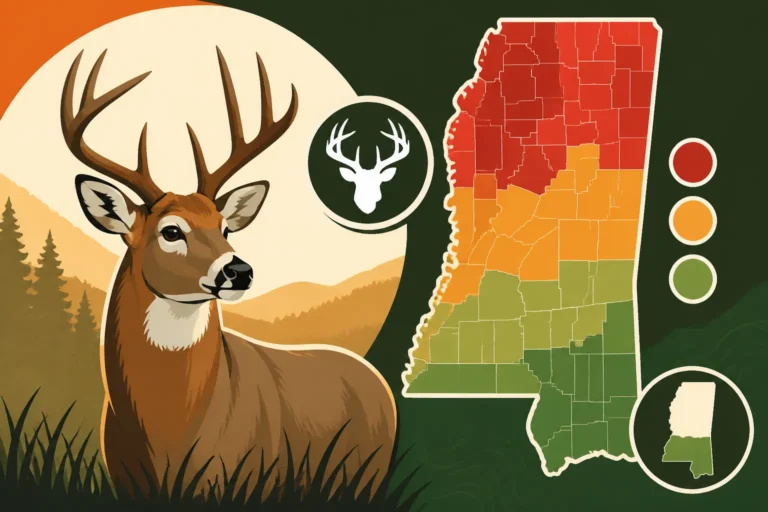
Since that first detection, CWD has unfortunately continued to spread, albeit slowly, across certain areas of Mississippi. To manage this, the MDWFP has established specific CWD Management Zones, which are geographical areas where the disease has been confirmed or is considered a high risk. These zones are critical because they dictate special regulations that hunters must follow to help prevent further spread. Knowing Mississippi's Chronic Wasting Disease Zones is crucial for every deer hunter in the state, even if you don't hunt directly within them, as carcass movement restrictions can still affect you.
Currently, these zones primarily include counties in North Mississippi, with additional areas around the initial detection point. For instance, the North CWD Zone encompasses a number of counties where the disease is established, and then there are additional CWD-positive counties, like those in the Warren-Claiborne CWD Zone, that have been added as new cases emerge. The boundaries are regularly updated based on new findings, so it's vital for hunters to stay informed through the MDWFP website or by using a mapping app like GoHunt to visualize these specific zones. Understanding these boundaries isn't just a suggestion; it's a critical part of responsible hunting today.
Tracking the Case Count Over Time
The MDWFP has maintained a transparent and diligent approach to tracking and reporting CWD cases. Since 2018, the number of confirmed CWD-positive deer has steadily increased, providing a clear, though concerning, picture of the disease's progression. This data is vital for understanding the prevalence of the disease and for informing management strategies. You can find detailed breakdowns of Mississippi's CWD Case Count by Zone and Mississippi's Case Count Since the 2018 Discovery on the MDWFP's official channels.
This ongoing monitoring helps biologists identify hotspots, gauge the effectiveness of current regulations, and anticipate future challenges. While the increase in cases is disheartening, the rigorous testing and reporting demonstrate the state's commitment to confronting CWD head-on. It's a testament to the hard work of MDWFP staff and the cooperation of thousands of hunters who submit samples each season. This collective effort is the only way we stand a chance against this persistent threat.
Navigating Mississippi's CWD Regulations for Hunters
Hunting in Mississippi, especially for deer, has always involved understanding and adhering to regulations. With the advent of CWD, these rules have become even more complex, requiring a new level of attention and responsibility from every hunter. It's not just about tags and seasons anymore; it's about protecting the future of our wildlife.
Mandatory Testing and Sampling Stations
One of the most significant changes for hunters in CWD Management Zones is the requirement for mandatory CWD testing. This isn't just about collecting data; it's a vital tool for surveillance, helping the MDWFP map the disease's spread and intensity. For hunters harvesting deer in designated CWD counties, submitting a sample for testing is not optional – it's a mandatory part of the hunt. This usually involves presenting your deer (or specific parts like the head) at designated CWD sampling stations.
These stations are typically set up during peak hunting periods, especially during gun season, at convenient locations like WMA check stations, certain taxidermists, and even self-service kiosks. Finding a Mississippi CWD Sampling Location before you head out is a smart move, so you know exactly where to go after a successful harvest. While it adds an extra step to your hunt, remember that this effort directly contributes to the health of the entire deer herd and the long-term sustainability of hunting in our state. Don't skip it; your participation is invaluable.
Carcass Movement Restrictions Explained
Perhaps one of the most impactful CWD regulations for many hunters, particularly those traveling from outside a CWD zone or across county lines, is the carcass movement restriction. These rules are designed to prevent the physical transportation of potentially infected deer carcasses or parts into areas where CWD has not yet been detected. The prions, which cause CWD, are concentrated in brain, spinal cord, lymph nodes, and spleen. Moving a whole carcass means you're moving all those high-risk tissues.
Generally, if you harvest a deer in a CWD-positive county, you are restricted from moving the whole carcass out of that county or zone. You are typically allowed to move deboned meat, clean antlers, hides, and taxidermy-ready skulls (cleaned of all brain and nervous tissue). Always check the most current MDWFP regulations for Moving a Deer Carcass Out of a CWD Zone before planning your hunt, especially if you hunt in a CWD zone but process your deer at home in a different county. Failing to adhere to these rules can result in penalties and, more importantly, could inadvertently spread the disease.
Legal Firearms for Deer Hunting and Other Season Adjustments
While CWD primarily impacts biological management and carcass handling, it can also influence hunting season structures and permissible equipment in affected areas. Sometimes, to facilitate higher harvest rates or specific management goals within a CWD zone, the MDWFP might implement special regulations concerning Mississippi Legal Firearms for Deer Hunting or extend certain hunting periods. For example, some zones might have liberalized antlerless deer harvest opportunities to help manage overall deer density and reduce potential disease transmission.
These adjustments are dynamic and can change from year to year based on the latest CWD surveillance data. It’s crucial to consult the official Mississippi Deer Season Structure Explained each season, paying close attention to any specific unit or county regulations tied to CWD. This might include special youth hunts, extended muzzleloader seasons, or increased opportunities for doe harvest. Staying informed isn't just good practice; it's essential for a successful and compliant hunt.
Best Practices for Hunters in CWD Zones
Hunting in a CWD zone requires a heightened sense of awareness and responsibility. It’s not about fear, but about being proactive and adopting best practices that help mitigate the spread of the disease. These aren't just rules; they're common-sense actions that contribute to the long-term health of our wildlife.
Field Dressing and Handling Deer Safely
When you successfully harvest a deer in a CWD zone, how you field dress and handle the animal becomes even more critical. The goal is to minimize the spread of potentially infectious prions. Always wear latex or rubber gloves when field dressing, not just for CWD but for general hygiene and disease prevention. Try to field dress your deer where it falls, if possible, rather than dragging it a long distance, which can leave a trail of biological material.
Carefully dispose of all discarded parts (guts, head, spine) at the kill site or in a properly secured landfill if available. Never leave them exposed where scavengers might spread them, or other deer might come into contact with them. Once you’re done, make sure to clean your knives, hands, and any equipment thoroughly with a bleach solution (1:10 bleach to water) or a strong disinfectant before using them on another animal or returning home. This extra vigilance during Field Dressing a Deer in Warm Weather or any temperature is a small effort with a big impact.
Processing Your Harvest and Managing Waste
The way you process your deer after the harvest is just as important as how you field dressed it, especially when dealing with CWD. If you’re taking your deer to a processor, make sure they are aware it was harvested from a CWD zone and that they have protocols in place for handling such animals. Many reputable processors have separate lines or dedicated procedures to prevent cross-contamination. If you’re processing the deer yourself, ensure you have a clean workspace and use dedicated tools for each animal if possible.
Remember the carcass movement restrictions we discussed earlier. If you are processing in a CWD zone, all high-risk parts (brain, spinal cord, lymph nodes, spleen, eyes, tonsils) should be disposed of in a landfill that accepts animal waste or buried deeply on private land with landowner permission. Never dispose of these parts in open fields, streams, or public lands. The goal is to contain those prions. For all other meat, ensure it's deboned, removing as much visible fat and connective tissue as possible, before transporting it out of the zone. This responsible approach ensures that your venison is safe for consumption and that you're not contributing to the disease's spread.
Scouting and Hunting Strategies in Affected Areas
CWD might influence your scouting and hunting strategies, though not always dramatically. Some hunters might feel more inclined to focus on specific age classes of deer, while others might increase their harvest of antlerless deer to help manage herd densities, as suggested by wildlife agencies. When using tools like GoHunt, pay close attention to the CWD zone boundaries and any specific regulations for WMAs or public lands within those zones. Scouting for Finding Sign in Big Delta Timber or any area also means looking for signs of sick deer, not just healthy ones.
It’s also wise to avoid using urine-based lures or natural deer attractants in CWD zones, as these could theoretically contribute to the spread if sourced from infected animals. Opt for synthetic alternatives if you feel the need for an attractant. Additionally, be mindful of congregation points like feeders or mineral sites, as these can facilitate nose-to-nose contact and increase transmission risk. While baiting is a common practice in Mississippi, understanding its potential implications in CWD areas is part of being a responsible hunter.
The Broader Impact of CWD on Mississippi's Deer Herd and Hunting Culture
Chronic Wasting Disease is more than just a disease affecting individual deer; it has far-reaching consequences for the entire deer herd, the ecosystem, and the rich hunting culture that is so integral to Mississippi's identity. It's a challenge that demands a holistic understanding and adaptive strategies.
Ecological Consequences and Population Health
The long-term ecological consequences of CWD on Mississippi's deer herd are a significant concern. While current prevalence rates might still be relatively low in some areas, a sustained increase in CWD could lead to declining deer populations. This isn't just about fewer deer to hunt; it's about the entire ecosystem. Deer play a crucial role in forest regeneration, nutrient cycling, and as a food source for predators. A significant drop in deer numbers could have ripple effects throughout the environment.
Beyond population numbers, CWD can impact the overall health and age structure of the herd. As the disease is invariably fatal and primarily affects adult deer, it can lead to a younger age structure within the population and a decline in the number of mature bucks. This disrupts natural breeding cycles and can make the herd more vulnerable to other diseases or environmental stressors. The MDWFP's continuous effort to monitor the herd, including initiatives like How MDWFP Counts the Mississippi Deer Herd, becomes even more critical in the face of CWD.
Economic Effects on Local Communities
Hunting is a significant economic driver in many rural Mississippi communities. From small-town diners and gas stations to sporting goods stores, taxidermists, and local outfitters, countless businesses rely on the hunting season for a substantial portion of their annual income. The presence of CWD and the resulting changes in hunting regulations or hunter behavior can have a tangible economic impact. If hunters reduce their travel due to CWD concerns or if regulations make hunting less accessible, these local economies could suffer.
Consider the ripple effect: fewer hunters might mean less demand for hunting leases, less spending on gear, food, and lodging. This concern isn't unique to Mississippi; other states grappling with CWD have seen these economic shifts. It underscores the importance of continued public education and proactive management from the MDWFP to maintain hunter confidence and ensure that our hunting traditions can continue to support our communities. Hunting clubs and individual landowners alike grapple with these financial implications, often discussing them over coffee at deer camp.
Adapting to a New Era of Deer Management
The emergence of CWD has undeniably ushered in a new era of deer management in Mississippi. The days of simply focusing on population control and habitat improvement are evolving to include a critical disease management component. This requires a more dynamic, data-driven approach, often involving difficult decisions that might not always be popular but are necessary for the long-term health of the herd. This includes increased testing, specific harvest recommendations, and constant communication with the hunting public.
Hunters, too, must adapt. This means embracing new regulations, participating in testing efforts, and adjusting personal practices. It might involve a deeper engagement with wildlife agencies, asking more questions, and understanding the scientific basis behind the rules. While it can be frustrating to see our cherished traditions change, this adaptation is crucial for ensuring that future generations can still experience the thrill of Bowhunting Mississippi's Long Archery Season or the excitement of gun season, with healthy deer populations.
The Role of Hunter Education and Conservation Efforts
In the fight against CWD, knowledge is truly power, and every hunter is a vital part of the solution. The efforts of the Mississippi Department of Wildlife, Fisheries, and Parks (MDWFP) are paramount, but they cannot succeed without the active participation and informed decisions of the hunting community.
Importance of Reporting Sick Animals
One of the simplest yet most effective ways hunters can contribute to CWD mitigation is by reporting any deer they observe exhibiting symptoms consistent with CWD. If you’re out scouting, driving to your stand, or enjoying a day in the woods and you see a deer that looks emaciated, disoriented, or is acting strangely, do not hesitate to contact the MDWFP. Your observations on the ground are incredibly valuable for early detection and for helping wildlife biologists track potential new areas of infection.
Remember, the earlier CWD is detected in a new area, the better the chances are for implementing targeted management strategies to slow its spread. It’s crucial not to harvest a visibly sick animal unless specifically instructed by MDWFP personnel, as special protocols might be needed for its carcass. Instead, note the location, take pictures or videos if possible, and contact your local MDWFP office or game warden immediately.
MDWFP's Ongoing Monitoring and Research
The MDWFP is on the front lines of CWD management, implementing a comprehensive strategy that includes extensive monitoring, surveillance, and participation in ongoing research. This involves collecting thousands of deer samples annually across the state, even in areas outside the CWD zones, to continuously assess the disease's presence and prevalence. This data is painstakingly analyzed to understand How Many Deer Have Tested CWD-Positive Since 2018 and where these cases are located.
Beyond testing, the MDWFP works with universities and national wildlife organizations to stay abreast of the latest scientific understanding of CWD. This includes research into transmission pathways, potential mitigating factors, and advanced diagnostic tools. Their efforts are continuous, aimed at providing the most current information and effective strategies for managing CWD in Mississippi. Hunters can access a wealth of information through the MDWFP's official website, and apps like GoHunt can often integrate data layers that show CWD zones and sampling locations, making it easier for us to do our part.
How Hunters Can Support CWD Mitigation
Beyond reporting sick animals and adhering to regulations, Mississippi hunters can take several proactive steps to support CWD mitigation efforts. First, get educated. Understand Mississippi's Chronic Wasting Disease Zones, the symptoms, and the rationale behind the regulations. Share this knowledge responsibly with fellow hunters, family, and friends. Encourage participation in voluntary testing programs, even if you hunt outside a mandatory zone.
Consider adjusting your hunting practices to align with CWD management goals. This might mean reducing supplemental feeding where legal, as congregation points can increase transmission risk. Support habitat management efforts that promote a healthy, resilient deer herd. Most importantly, continue to buy your hunting licenses and permits; the revenue generated directly funds the MDWFP's vital work, including CWD surveillance and research. Every license purchased for Mississippi Hunting Licenses and What They Cost is a direct investment in the future of our wildlife.
Comparing Mississippi's CWD Strategy to Neighboring States
CWD is a widespread issue across North America, and Mississippi is certainly not alone in its battle against the disease. While the core principles of CWD management remain consistent, each state tailors its approach based on local conditions, political landscapes, and specific disease prevalence. Understanding how Mississippi compares to its neighbors can offer valuable insights and highlight the unique challenges and successes we face.
Similarities and Differences in Regulations
When you look at states surrounding Mississippi, like Arkansas, Louisiana, Alabama, and Tennessee, you'll find common threads in their CWD regulations. Most implement some form of CWD Management Zones, mandatory testing in affected areas, and carcass movement restrictions. These are generally considered best practices in disease management. For instance, like Mississippi, many states prohibit the transport of high-risk deer parts out of CWD zones. They also emphasize hunter education and reporting sick animals.
However, the specifics can vary. The exact boundaries of CWD zones, the intensity of mandatory testing, and the types of parts allowed for transport might differ slightly based on the length of time CWD has been present, the number of confirmed cases, and the geographical spread. Some states might have more extensive baiting bans or special extended seasons for antlerless deer in CWD zones. It's why, even if you're familiar with regulations in, say, Alabama, you still need to thoroughly review Mississippi Deer Season Structure Explained for our specific state. The details really matter here.
Lessons Learned from Other Affected Regions
Mississippi's CWD management strategy has certainly benefited from lessons learned by states that have been dealing with the disease for much longer, such as Wisconsin or Colorado. These older affected regions have provided crucial insights into the long-term ecological impacts, the efficacy of various management interventions (like targeted culling), and the importance of sustained hunter cooperation. For example, understanding the long environmental persistence of prions has influenced our carcass disposal guidelines, and observing population declines in heavily infected areas reinforces the need for early and aggressive management.
These pioneering states have shown that there is no magic bullet for CWD. It's a long-term battle requiring adaptability and continuous effort. They've also highlighted the importance of clear, consistent communication with the hunting public to maintain trust and compliance. Mississippi's strategy aims to incorporate these lessons, focusing on prevention and containment, and relying heavily on hunter participation to avoid the more severe population impacts seen elsewhere.
The Future of CWD Management in the Southeast
The future of CWD management in the Southeast is a dynamic and evolving landscape. With CWD now detected in numerous states across the region, there's an increasing emphasis on regional collaboration and shared strategies. State wildlife agencies, including the MDWFP, regularly share data, research findings, and best practices to develop a more unified and effective front against the disease. This is crucial because deer, of course, don't recognize state lines.
We can anticipate continued advancements in detection technologies, potentially leading to faster and more accessible testing methods. There will likely be an ongoing focus on researching potential vaccines or other novel interventions, although these are still far off. For hunters, this means a continued need for vigilance, adherence to regulations, and a willingness to adapt. The fight against CWD is a marathon, not a sprint, and Mississippi is committed to being at the forefront of this critical conservation challenge.
Debunking Common CWD Myths and Misconceptions
When a complex issue like CWD emerges, it's natural for misinformation and myths to circulate. As hunters and responsible conservationists, it's crucial to rely on scientific facts and official sources to guide our understanding and actions. Let's tackle some of the common misconceptions head-on.
Human Health Risks and Current Scientific Consensus
One of the most persistent and understandable concerns surrounding CWD is its potential to jump the species barrier and infect humans. This fear is often fueled by comparisons to Bovine Spongiform Encephalopathy (BSE), or "mad cow disease," which did transfer to humans. However, it's vital to stress that there is currently no scientific evidence that CWD can be transmitted to humans. Extensive research has been conducted, and surveillance studies have shown no confirmed cases of CWD in people.
Major public health organizations, including the Centers for Disease Control and Prevention (CDC) and the World Health Organization (WHO), continue to monitor the situation closely. While they advise caution – recommending against consuming meat from CWD-positive animals – this is a precautionary measure based on the theoretical possibility, not on documented cases. It’s important to distinguish between precaution and confirmed risk. Hunters can stay informed by checking reputable sources like the CDC or MDWFP for the latest updates on CWD.
Misunderstandings About Transmission
Another common area of misunderstanding revolves around how CWD is actually transmitted. Some might mistakenly believe it spreads like a common cold, or through casual contact with an infected animal in the wild. In reality, while direct contact can facilitate transmission through bodily fluids, the primary concern lies in the persistence of prions in the environment. Prions are shed in saliva, urine, and feces, contaminating soil and vegetation, where they can remain infectious for years.
This environmental transmission is often underestimated. It's not just about one sick deer passing it to another; it's about the landscape itself becoming a reservoir for the disease. This is why strict carcass disposal regulations are so crucial. Misinformation can also arise regarding the role of baiting or supplemental feeding; while not direct causes of CWD, these practices can increase deer congregation, thereby increasing the likelihood of direct and indirect transmission. Understanding the actual transmission pathways helps us focus our mitigation efforts effectively.
The Efficacy of Management Strategies
Some hunters express frustration or skepticism about the effectiveness of current CWD management strategies, feeling that the disease is simply unstoppable. It's true that completely eradicating CWD from a wild deer population once it's established is incredibly difficult, if not impossible, given the prion's resilience and long incubation period. However, that doesn't mean management strategies are futile. The goal isn't necessarily eradication, but rather containment and slowing the spread to minimize its impact on deer populations and hunting opportunities.
Strategies like mandatory testing, carcass movement restrictions, and targeted harvest increases in CWD zones are designed to achieve these goals. While individual actions may seem small, collectively, they make a significant difference. For example, Mississippi's CWD Prevalence in the North Zone could be much higher if not for diligent testing and hunter compliance. The MDWFP's continuous monitoring and adaptive approach, informed by the latest science, aim to keep deer populations healthy and resilient, even in the presence of CWD. It’s a long game, and our collective commitment is what truly makes these strategies effective.
Disclaimer
The information provided in this article is intended for educational and informational purposes only and does not constitute legal advice. Hunting regulations, CWD zones, and health guidelines are subject to change. Always consult the official Mississippi Department of Wildlife, Fisheries, and Parks (MDWFP) website or directly contact their offices for the most current and accurate regulations before engaging in any hunting activities.